

Former Diplomat Weighs In on Xi Jinping’s Visit and Kazakhstan’s Role in Central Asia
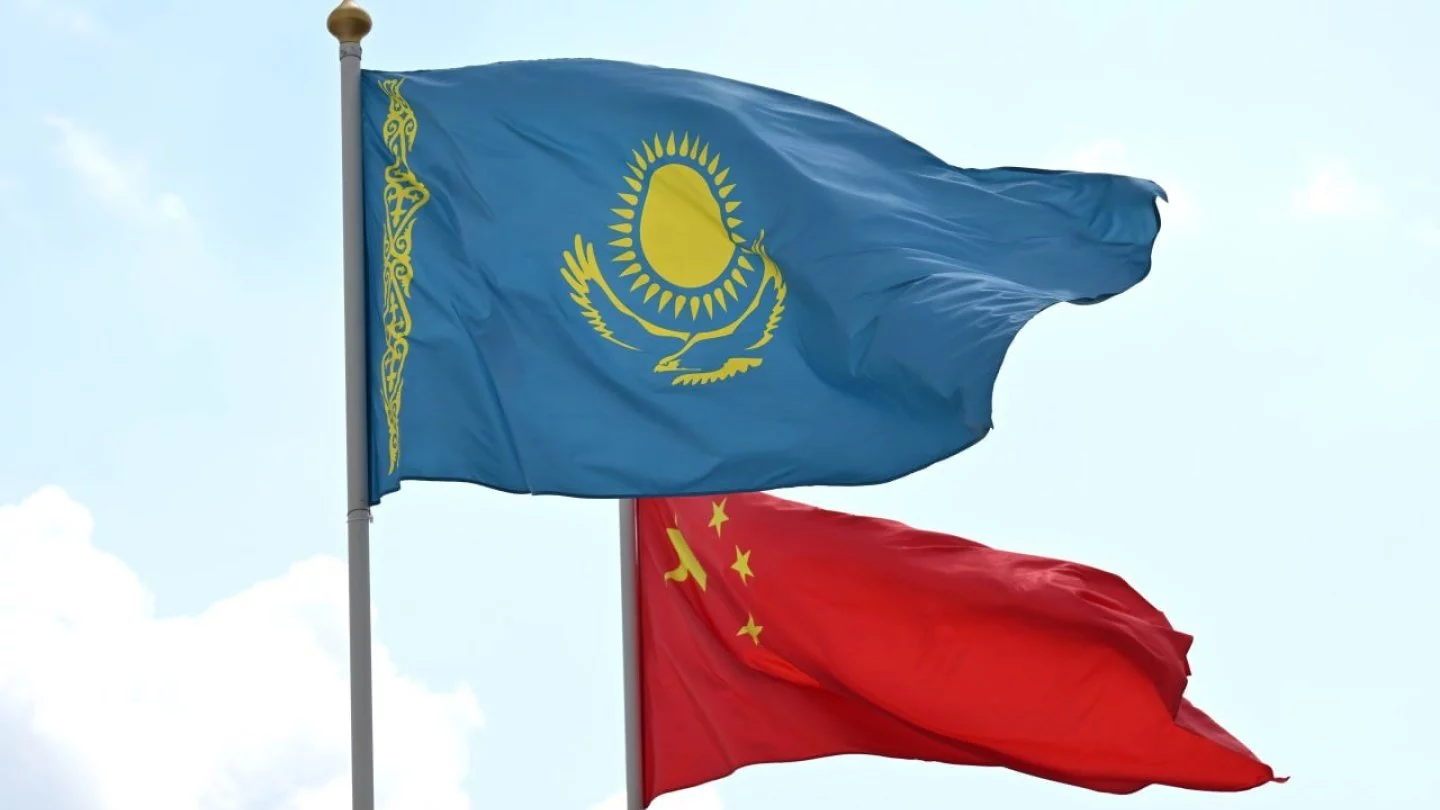 Photo: Aqorda
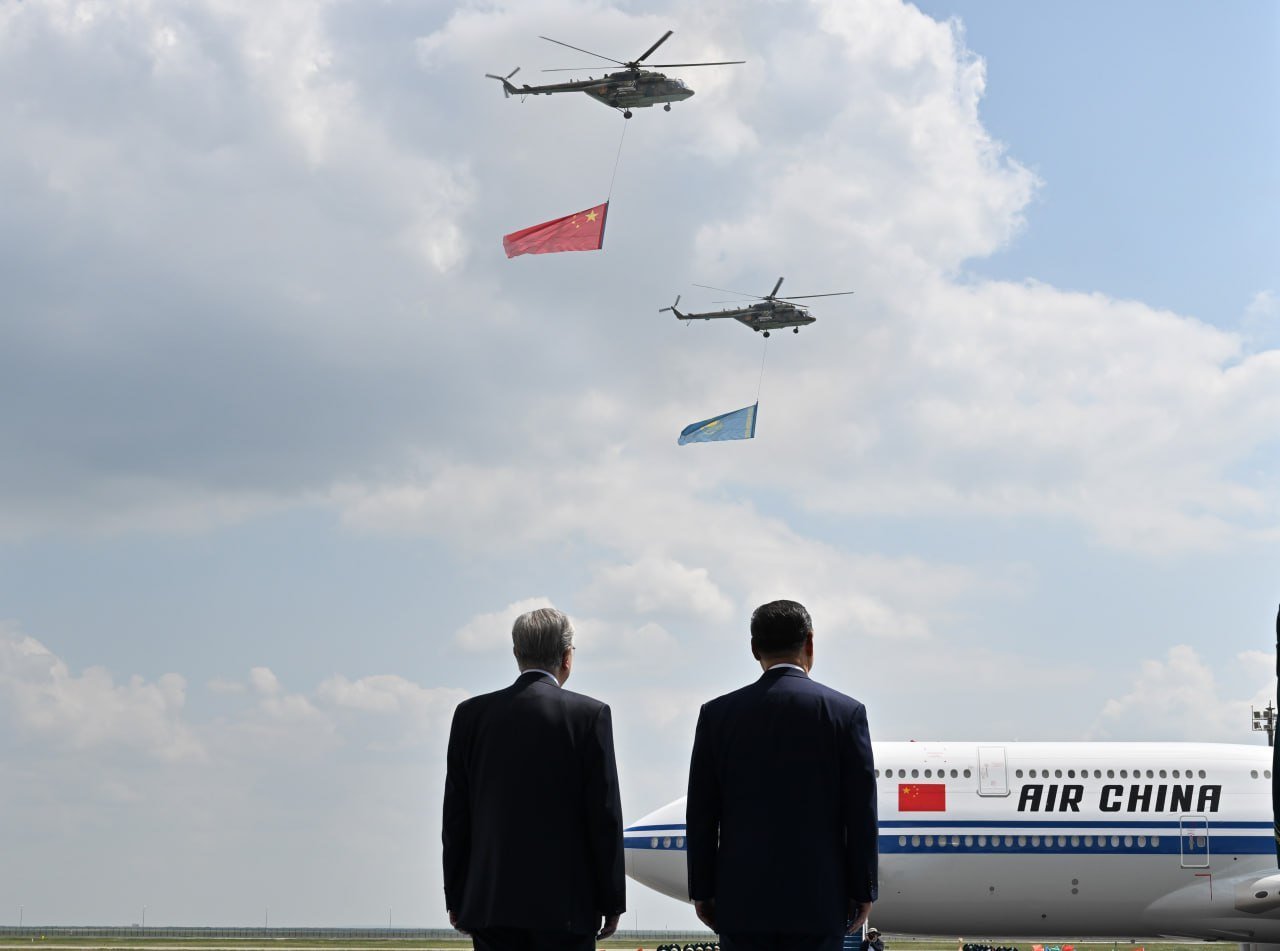
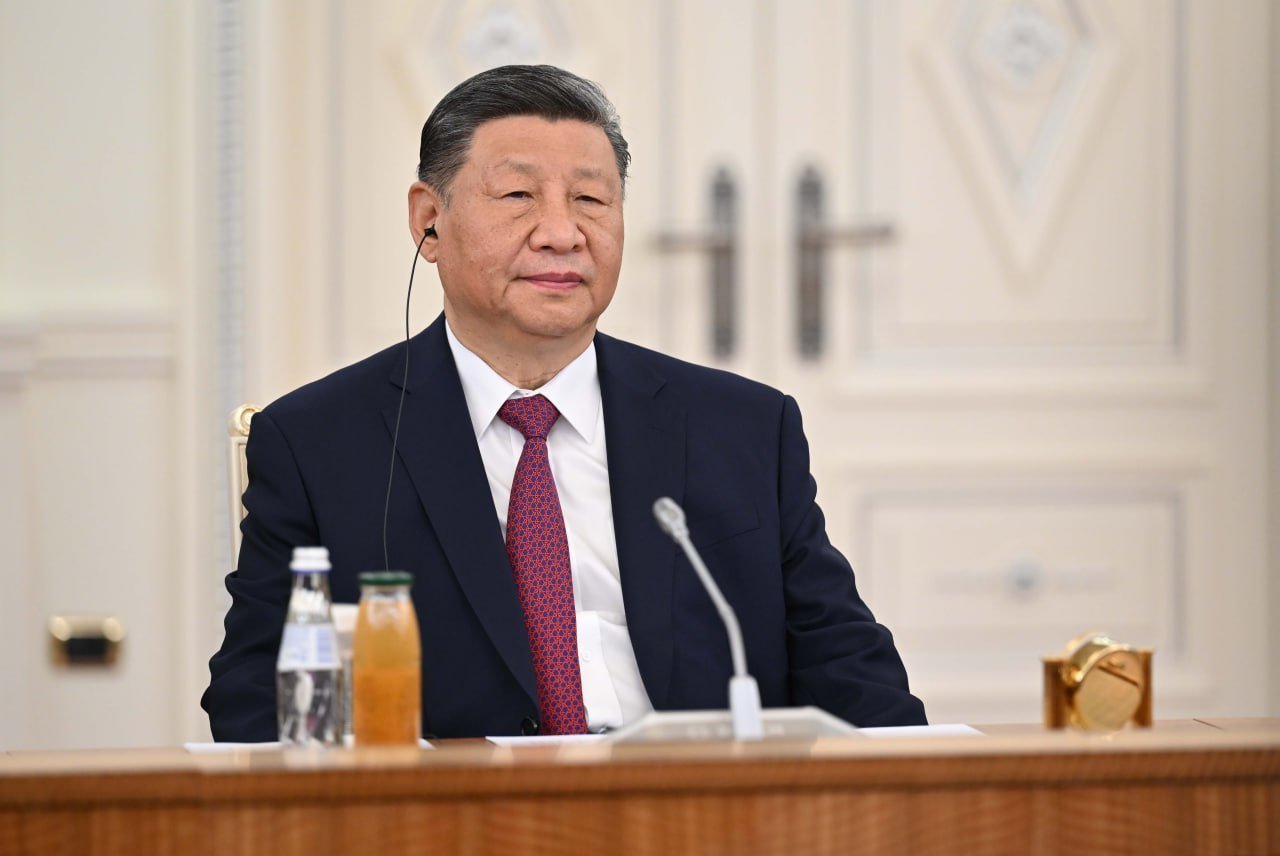
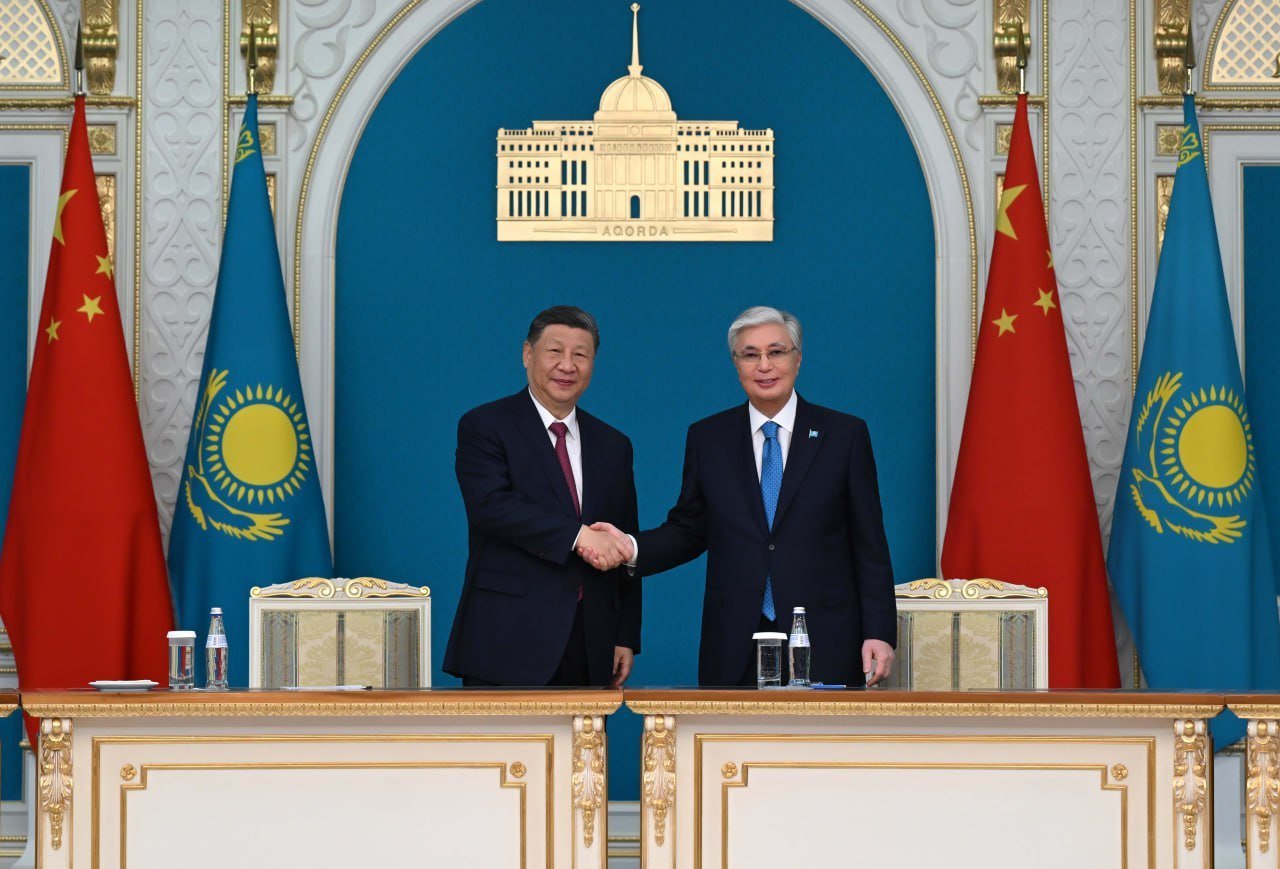
Chinese President Xi Jinping was the first to arrive ahead of the Central Asia-China Summit, marking his third visit to Kazakhstan since the start of 2025.
Orda.kz explores the motivations behind the summit, why China sees Kazakhstan as a priority, and how soon Chinese might be taught in schools.
Some Leaders Rarely Visit, Others Become Regulars
It’s becoming common to see high-level visits in Kazakhstan, such as Italian Prime Minister Giorgia Meloni most recently, and German Chancellor Olaf Scholz last year.
And it's good that such meetings are taking place. I'll say even more: look - once, 10-15 years ago, it was a big event for us if the leader of a European country came. Well, the US president never visited us - only secretaries of state came, traveling through the countries of Central Asia. And then the leader of a huge, strong economic country (China) comes - and that also says something,
says former diplomat Kazbek Beisebayev.
U.S. Engagement
High-level meetings between Kazakhstan and the U.S. typically happen outside the country. Just before the summit, U.S. Secretary of State Marco Rubio met with Kazakhstan’s foreign minister in Washington.
The U.S. showed interest in resources and partnership, but perhaps not only that.
They probably discussed not only bilateral cooperation topics, but also matters related to the upcoming summit. Because for the US, the main opponent, competitor is China. To put it simply, they do not like such close cooperation between the Central Asian countries, in particular Kazakhstan, and China. While Europe, by and large, does not care - they have their own problems. America does not. Therefore, conditionally, the struggle for influence in this region will unfold between the US and China. If earlier the US fought with Russia, now - with China. A simple example: where will a large American consulate be built in Central Asia? In Almaty. This is an indicator that the Americans will not abandon us and will deal with this issue. Whether you like it or not, but still we find ourselves in the center of influence of other major world powers. This is our fate, it turns out,
the former diplomat believes.
When asked if China is boosting its influence in Central Asia to prepare for possible isolation from the U.S., Beisebayev responded firmly:
China cannot be isolated — this is nonsense. To put it simply: when there was COVID, it turned out that almost no one except China produces masks. Therefore, China cannot be isolated a priori due to the fact that it supplies the entire world with everything it needs. The same applies to Russia because Russia can provide different countries not with goods, but with natural resources — oil, gas. These large countries simply cannot be isolated. As for China, you shouldn’t think that it is concentrating only on our region. It is represented all over the world. China is everywhere. In Europe, basically all consumer goods are made in China. These changes have obviously manifested themselves even in the last 10-15 years. This was unimaginable before. Therefore, I think it is good that China is meeting with us. China can finance various projects. Another question is, of course, that China’s political interests are behind everything that it is trying to finance. These interests exist — this is how life works. At the same time, for us, such a dialogue shows that China considers us an important partner.
Beisebayev notes Kazakhstan's strategic role:
China is now one of the world's leading economic powers. And despite this, there is no relationship of ‘big brother to little brother.’ The summit is purely business-like. The fact that the summit is being held in Astana suggests that we are China's priority. This is probably true because there is a common border. Secondly, China buys our oil. But this does not mean that we will now constantly host such summits. After some time, China will host. Incidentally, the meetings are held in China and in our region in turns.
Beyond Protocol
Beisebayev highlights the nature of the visit:
No, it's not just protocol. Each country has its own topics with China. In addition to the general meeting, Xi Jinping will have a meeting with each leader separately. Yesterday there were meetings with us - we received the visit, and today, when the summit of China and the Central Asian countries is taking place, he is also holding talks with other leaders, each of whom has their own topics of cooperation. China is trying to build relations with everyone at once, but at the same time, each country is trying to resolve its own issues in parallel.
The former diplomat also believes the meeting will have a positive impact on perceptions:
I think that Chinese will probably be taught in schools because ties are developing, and those who speak Chinese will be in demand. To some extent, we are lucky that China, the world's economic leader, is with us. Logistics are simpler. We should not forget that the Great Silk Road passed through our territory, and it remains important to this day. Due to these features, the importance of Central Asia and, of course, us, is growing,Beisebayev says.
Investments And Projects
Chinese investment is visible in projects like the LRT and oil reserves. Kazakhstan is also eyeing China’s CNNC for future nuclear power plant projects.
This shows that in this regard we are turning more towards China. China is also one of the leaders in the construction of nuclear power plants. We are gradually taking a step towards China in the economy. After all, we could, for example, give the next project to Rosatom, but no - they got the first one, and the rest went to China,Beisebayev says.
Russia and China are leaders in nuclear power plant construction.
Kazakhstan’s decision to award the first project to Russia may be linked to long-standing historical ties and shared borders, which simplify the logistics of transporting construction materials.
Language compatibility between technical teams may have also played a role.
Original Author: Alexandra Mokhireva
Latest news
- Why Are Kazakhstanis Leaving Southern Regions In Large Numbers?
- Tokayev Criticizes Banks For Delaying QR Payments
- Kazakhstan Launches New Preferential Loans For Livestock Breeders
- Rare New Guinea Monitor Lizards Arrive At Almaty Zoo
- Malaysian Automaker Proton Eyes Kazakhstan Production With Allur
- A Russian Teen Who Crossed Into Kazakhstan on Foot Wins Appeal Against Expulsion
- Regional Revenues, Global Instability, And The Referendum: What Tokayev Told Deputies
- Digitalization Of Customs Or New Barriers? What Entrepreneurs Fear In Kazakhstan’s New KEDEN System
- Astana Could Become An International Aviation Leasing Hub
- Kazakhstan’s First Tagged Eurasian Black Vulture Found Dead in India
- Kazakhstan Replaces Russian Turbines With Chinese Equipment for Ekibastuz Power Plant No. 2
- How Kazakhstan, Uzbekistan, And Azerbaijan Will Export Electricity To Europe
- Kazakhstan Explains How Russians Who Fled Mobilization Can Be Deported
- Kazakhstan and Japan discuss hydrogen partnership with export potential
- Russia Thanks Tokayev for Initiative to Support Russian Language
- Almaty Could Restrict Cars Under Beijing-Style Anti-Smog Plan
- Tigers in Kazakhstan Are in No Rush to Breed
- What Changes Are Being Prepared Under the New Tax Code
- Alcohol and Tobacco Prices in Kazakhstan See Sharpest Monthly Rise in 15 Years — Analysts
- Middle East Conflict Will Not Lead to Higher Gasoline Prices in Kazakhstan — Minister
