

Asar Tradition: Oskemen Residents Build Bridge Together
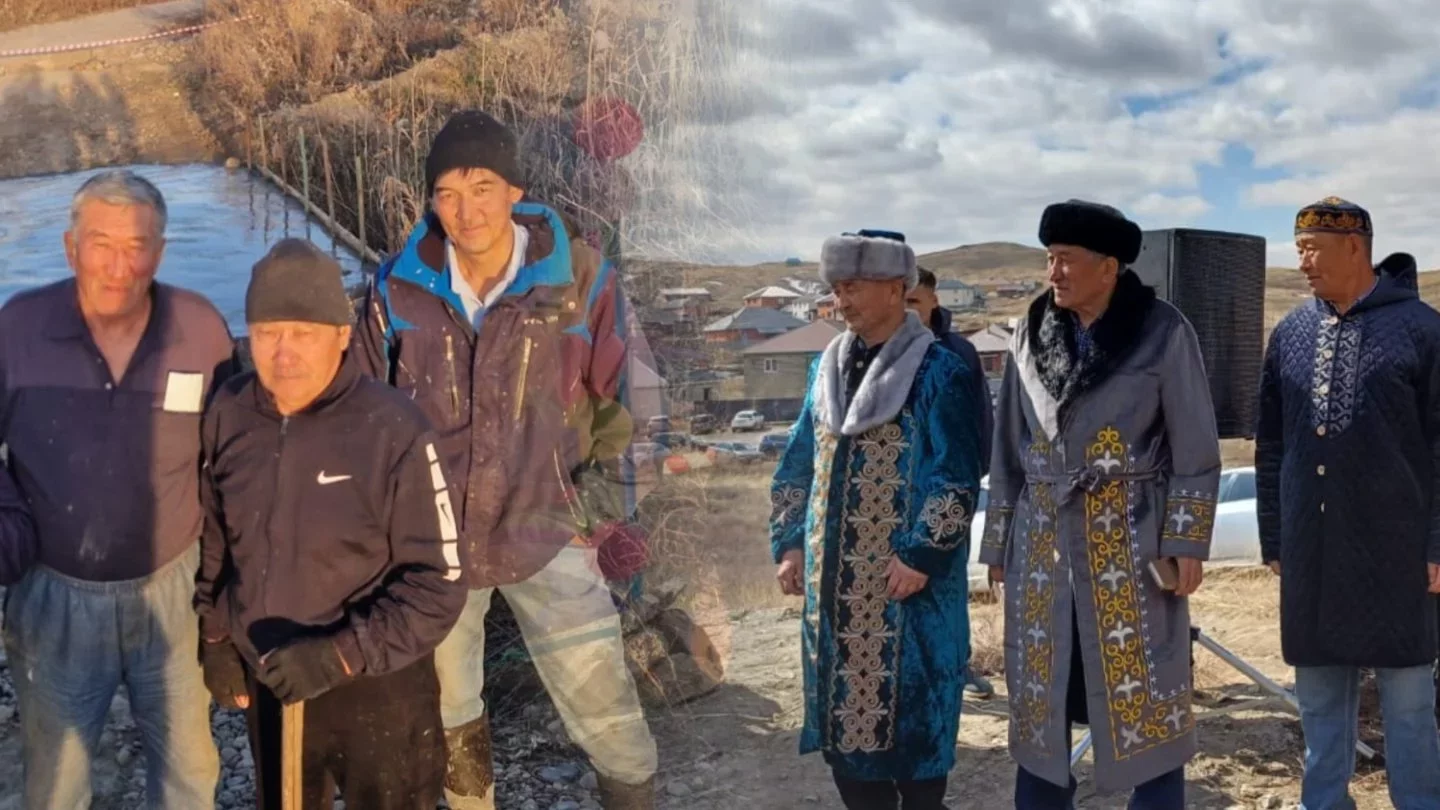 Photos provided by Kydyrgazy Baimuratov
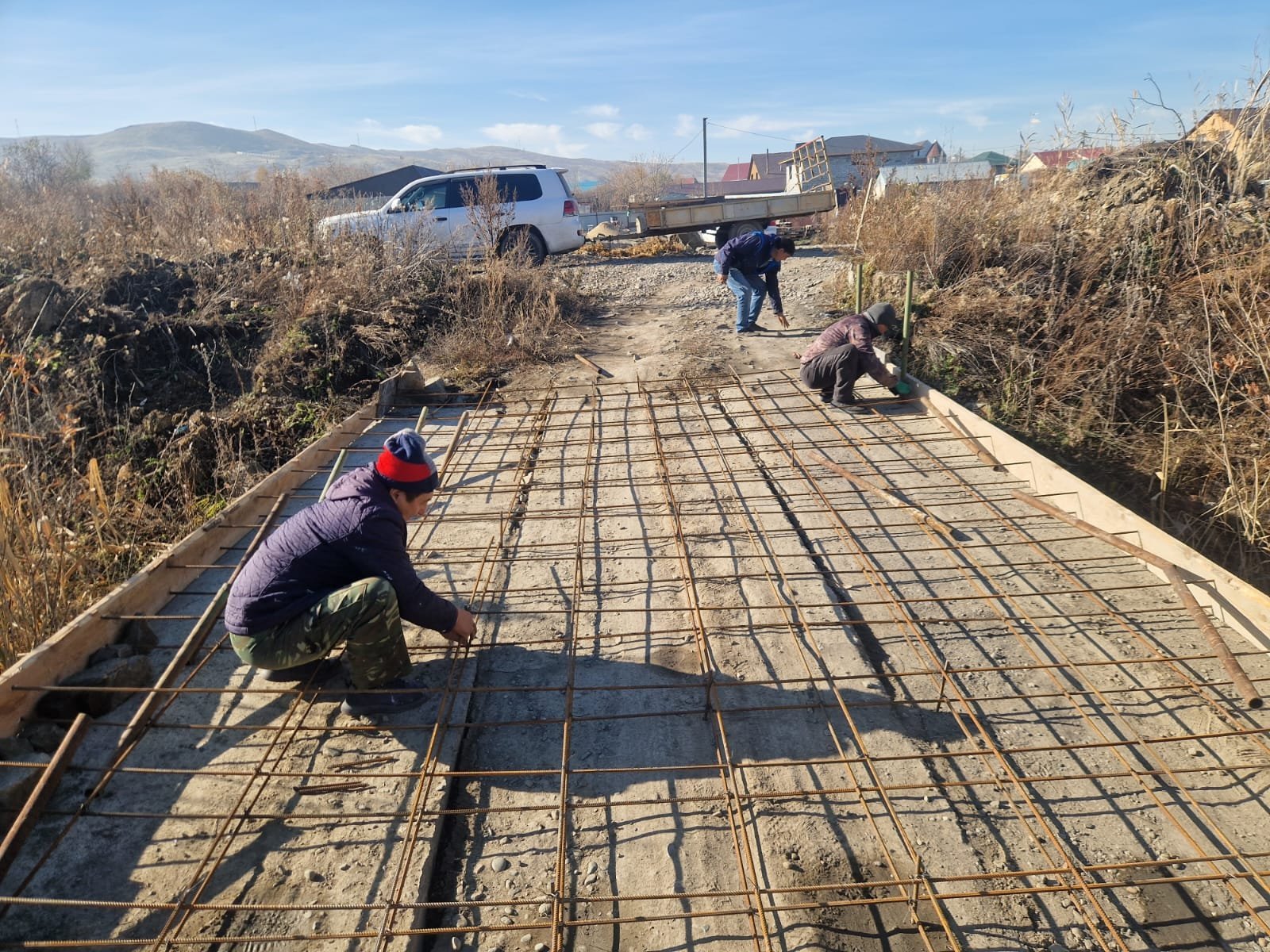
In Oskemen, residents built a bridge across a ditch with their own hands after repeated appeals to the akim’s office brought no results. They decided to rely on the traditional Kazakh custom of asar — a community coming together to complete a common task.
Aksakal Kydyrgazy Baimuratov, who participated in the construction, told an Orda.kz journalist about the cost and effort behind the community project.
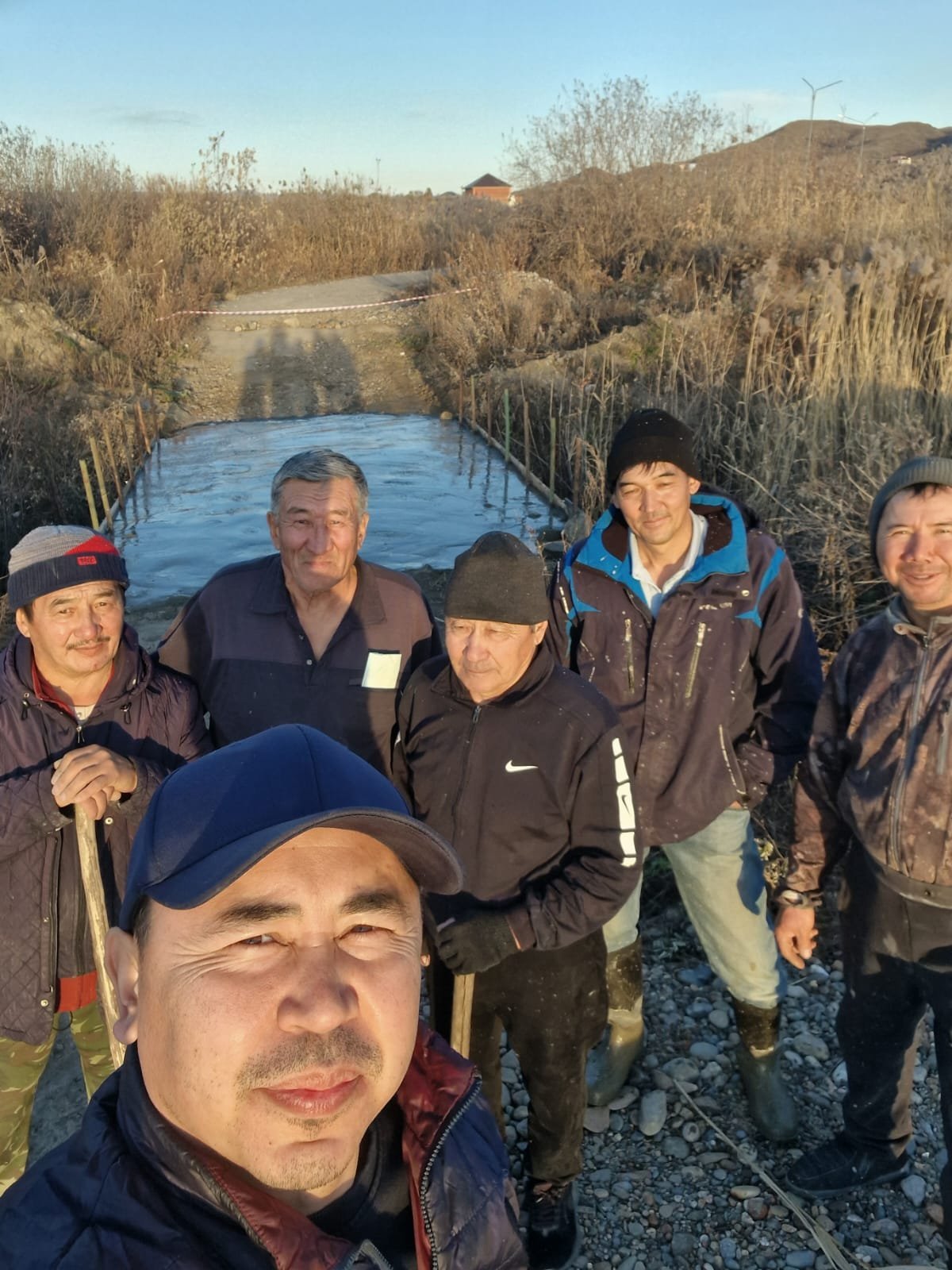
For several years, residents had asked the city administration to build a crossing in the 20th microdistrict but were always told the project was too expensive.
Meanwhile, people were forced to make a five-kilometer detour. The area is marshy, with a stream running through it, and without a bridge, commuting to work became difficult and costly, wasting time and fuel.
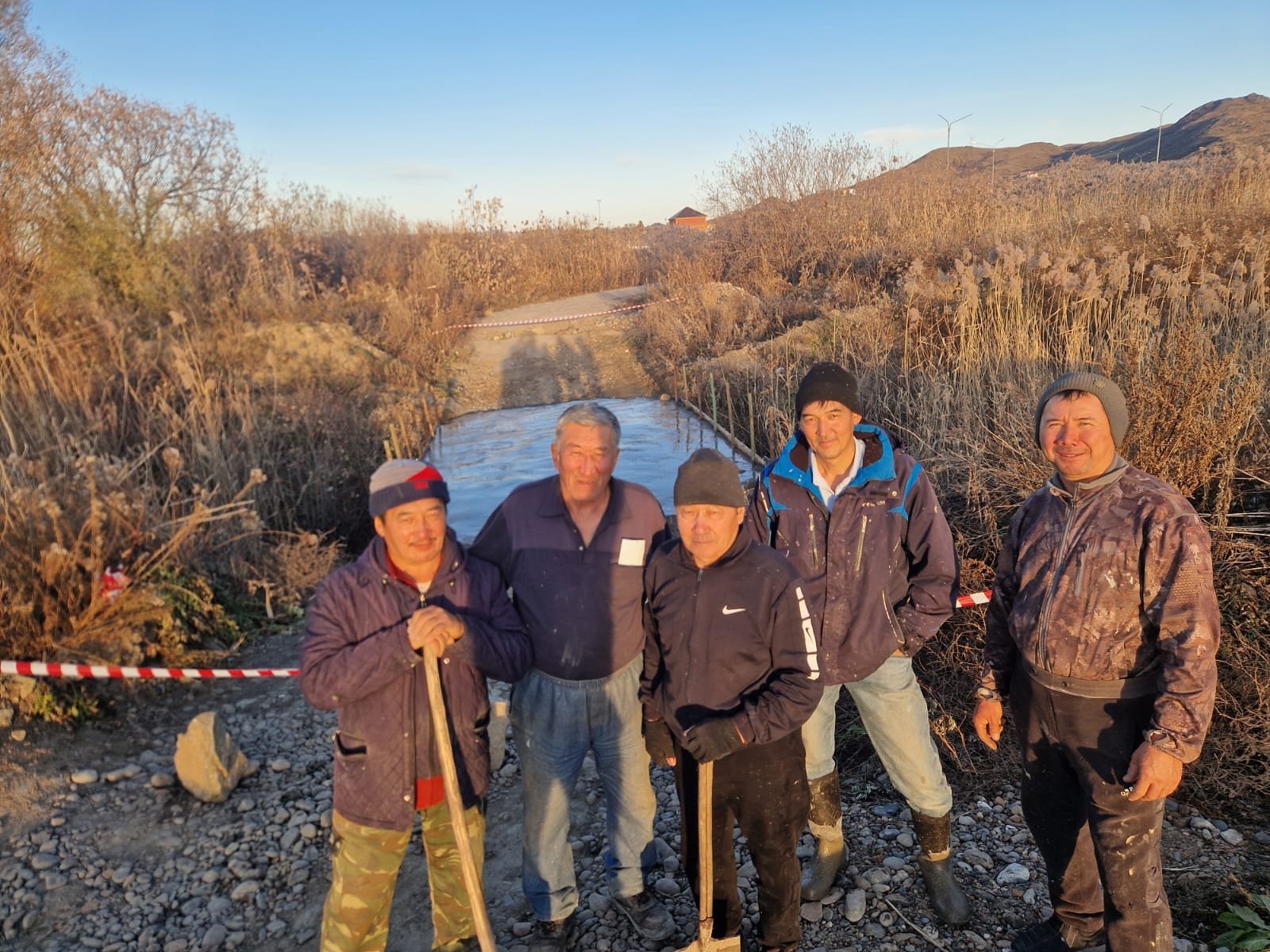
Baimuratov, who has lived in the neighborhood since 2014, built his own home and was elected by neighbors as their elder. He also serves on the city’s public council.
The community has faced numerous utility problems but has repeatedly solved them independently. For example, residents once built a natural spring at their own expense — digging a concrete trench and installing a pipe.
Now, people even come from downtown for clean water. The same approach was taken with the bridge.
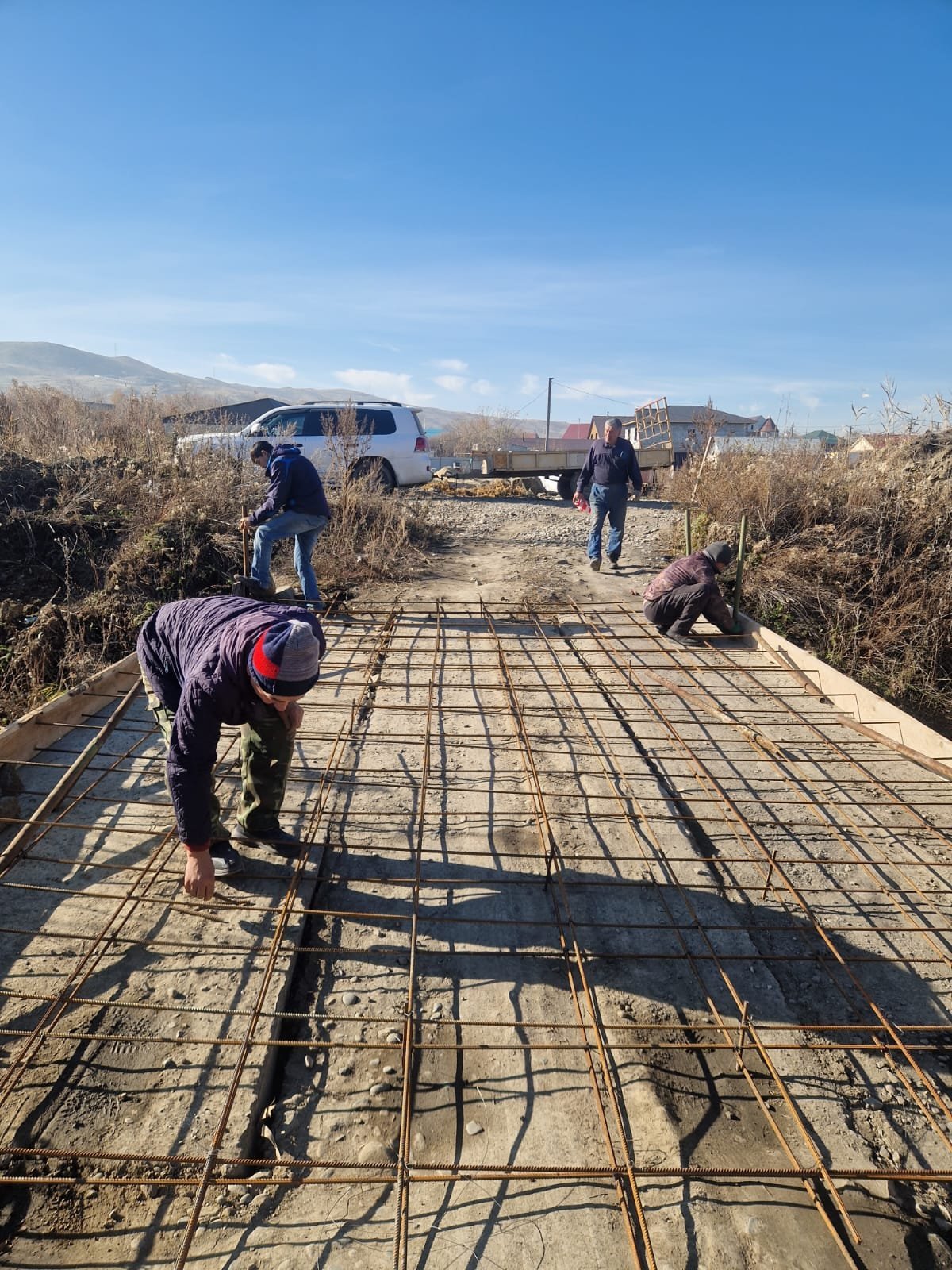
Last year, we got together as a group, chipped in, and purchased floor slabs and foundation blocks. We had our own equipment. So, we built a bridge for passenger vehicles. The cost was approximately 600,000 tenge,
said Kydyrgazy Baimuratov.
Over time, trucks carrying groceries to a nearby store began using the bridge, prompting residents to strengthen the structure.
They collected funds again, bought additional materials, and reinforced the bridge on Republic Day, once more using the Asar method. In total, the bridge cost residents around 880,000 tenge — a fraction of what a government project would have cost.
We’ve proven in practice that residents can unite, work together, and celebrate together — for example, by holding New Year and Nauryz events as a community,
Baimuratov added.
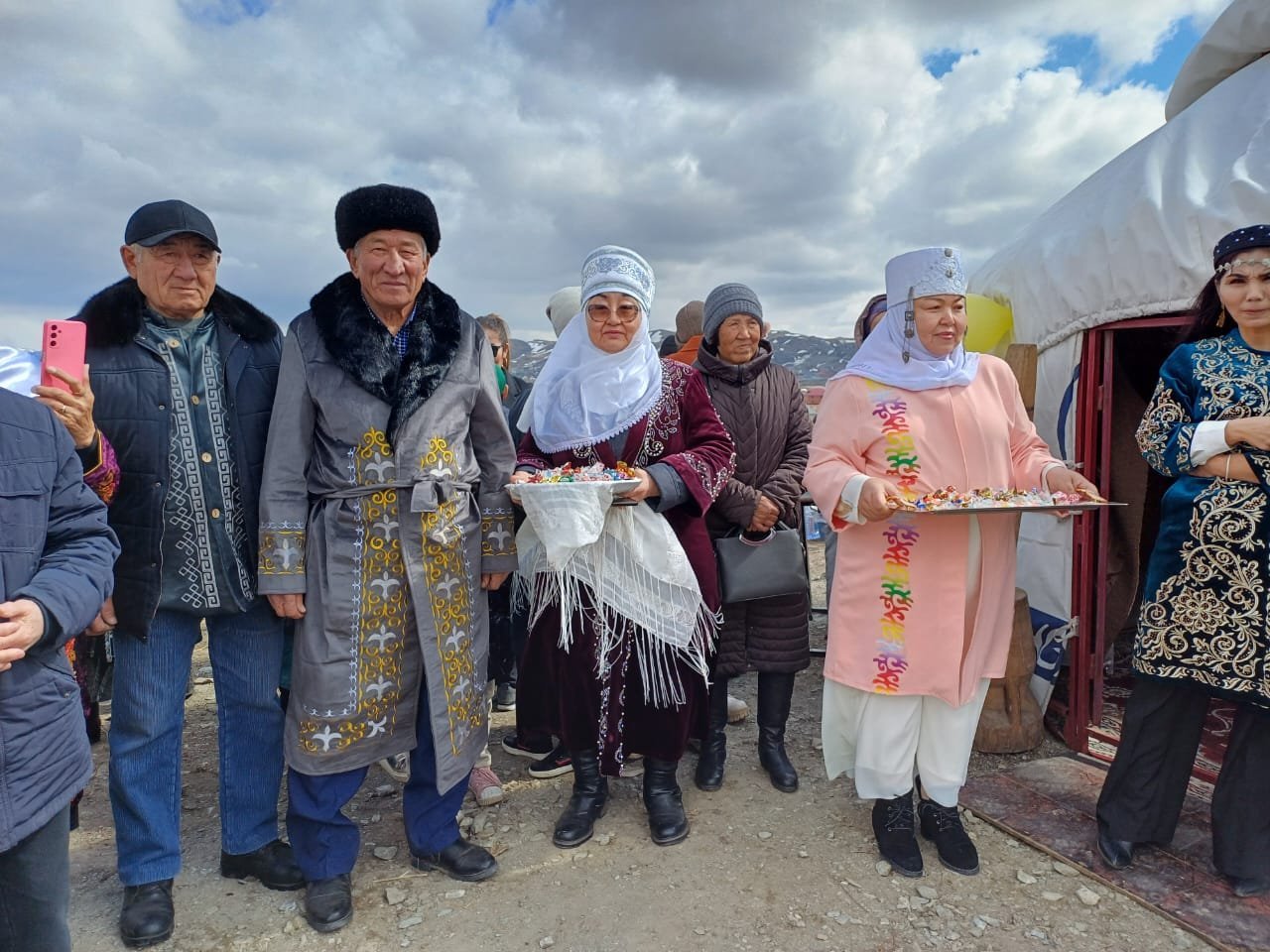
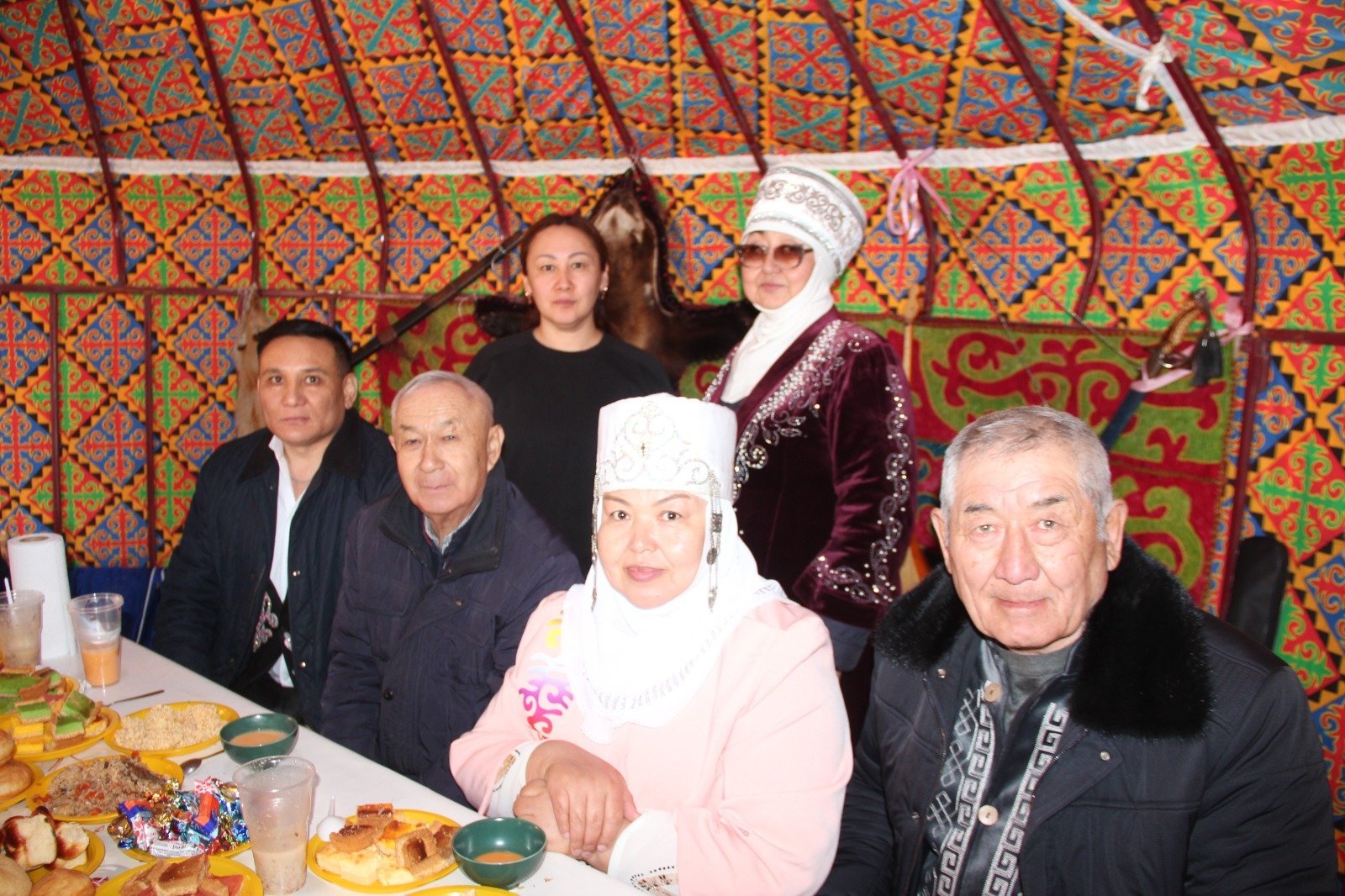
Residents not only built the bridge through the Asar tradition but also later oversaw a public inspection when city funds were allocated for local road repairs.
The road was built to a high standard and remains durable. Unlike many new roads that develop cracks and potholes within a year, this one has held up well thanks to community oversight.
Original Author: Elena Medvedeva
Latest news
- Kazakhstan Seeks Solutions to Ease Pressure on Uzbek Terminals Amid Export Surge
- Georgia’s Security Service Says No Evidence of “Kamit” After BBC Report
- Kadyrov Confirms Drone Damage to Grozny City
- Russia Temporarily Blocks Kazakhstan's Grain Transit, Threatening Flax Exports to Europe
- Assets of Businessman Dulat Kozhamzharov Seized Following Halyk Bank Claim
- Georgian Opposition Calls December 6 March Over Alleged Use of Chemicals at 2024 Protests
- Severe Smog Covers Oskemen
- Fire and Structural Damage Reported at Grozny City Tower Amid Drone Threat
- Pashinyan Says Foreign Influence Networks Exposed
- Kazakhstan-Based Lukoil Assets Could End Up in Hungarian Hands
- Strong Tenge Pushes Some Banks to Temporarily Stop Issuing Dollars
- Investigation Links Baimsky Project to Nazarbayev's "Wallet," Vladimir Kim
- Three Kazakhstani Nationals Arrested in Georgia Over Alleged 10,000-Ton Oil Theft
- Turkistan Region Contract for 100 Million Tenge Video Project Triggers Scrutiny
- Gennady Golovkin Becomes First Kazakhstani Honored by the International Boxing Hall of Fame
- Former Majilis Deputy Says She Was Stripped of Mandate After Criticizing Authorities
- Mangystau Authorities Investigate Death of Worker Who Fell Into Elevator Shaft
- Golovkin at World Boxing: How Kazakhstan and Saudi Arabia Are Building a New Power Structure in Boxing
- Taraz: Sentences Extended for Defendants in Group Sexual Assault Case
- Taliban Carry Out Public Qisas Execution After Teenager’s Family Killing
