

Ancient Amphibians Found Near Kurty After 50 Years
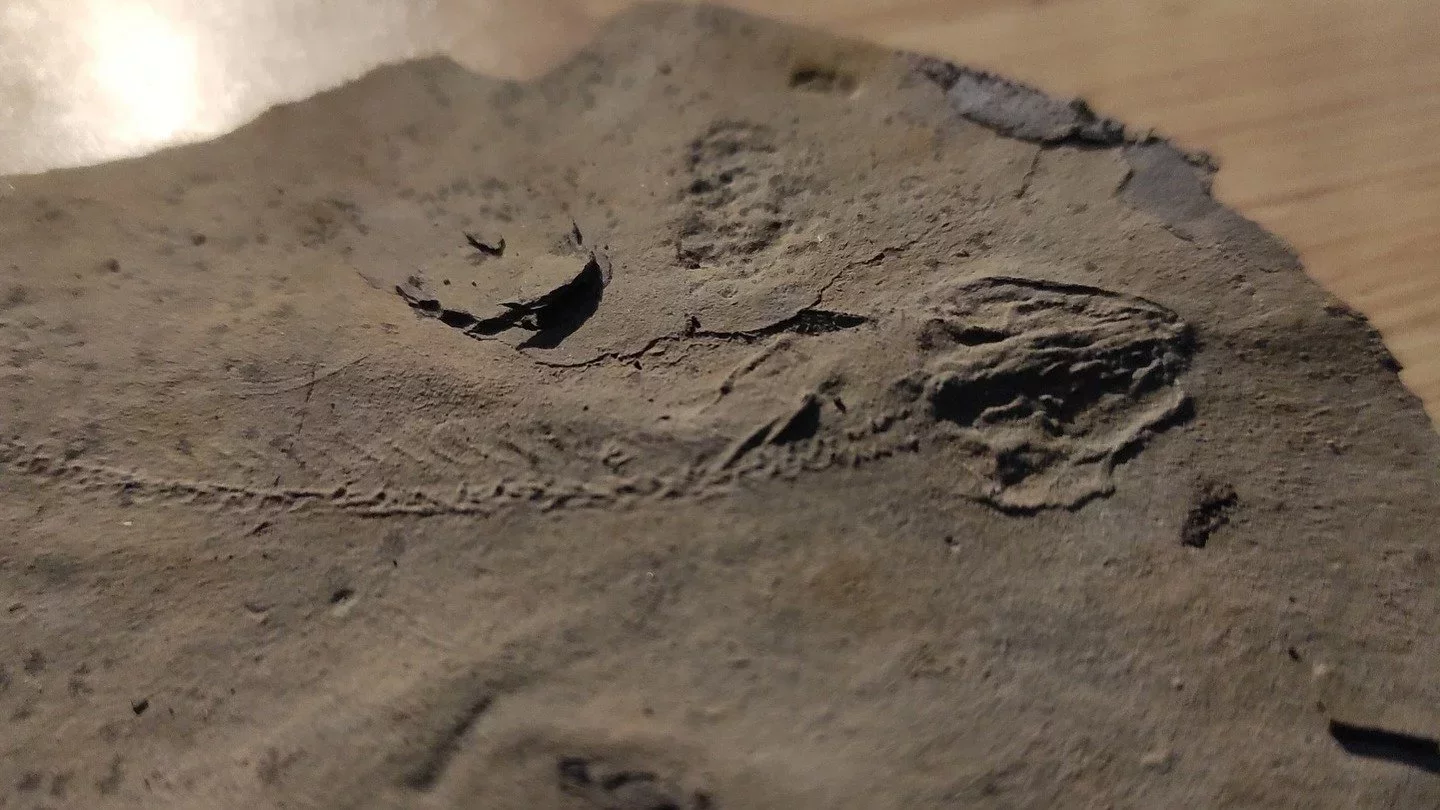 Photo: Institute of Zoology of the Republic of Kazakhstan
They were found thanks to field diaries written half a century ago, Orda.kz reports, citing the Institute of Zoology of the Republic of Kazakhstan.
Background
The latest expedition took place from October 4 to 12 near the village of Kurty in the Almaty region, about 70 kilometers from Almaty.
This is one of the few continental Paleozoic sites in Kazakhstan. The rocks exposed here date back to the Permian period, approximately 280 million years ago. This means that the organisms found in Kurty predate the age of dinosaurs,
The institute says.
The first remains were discovered in the 1960s during geological surveys.
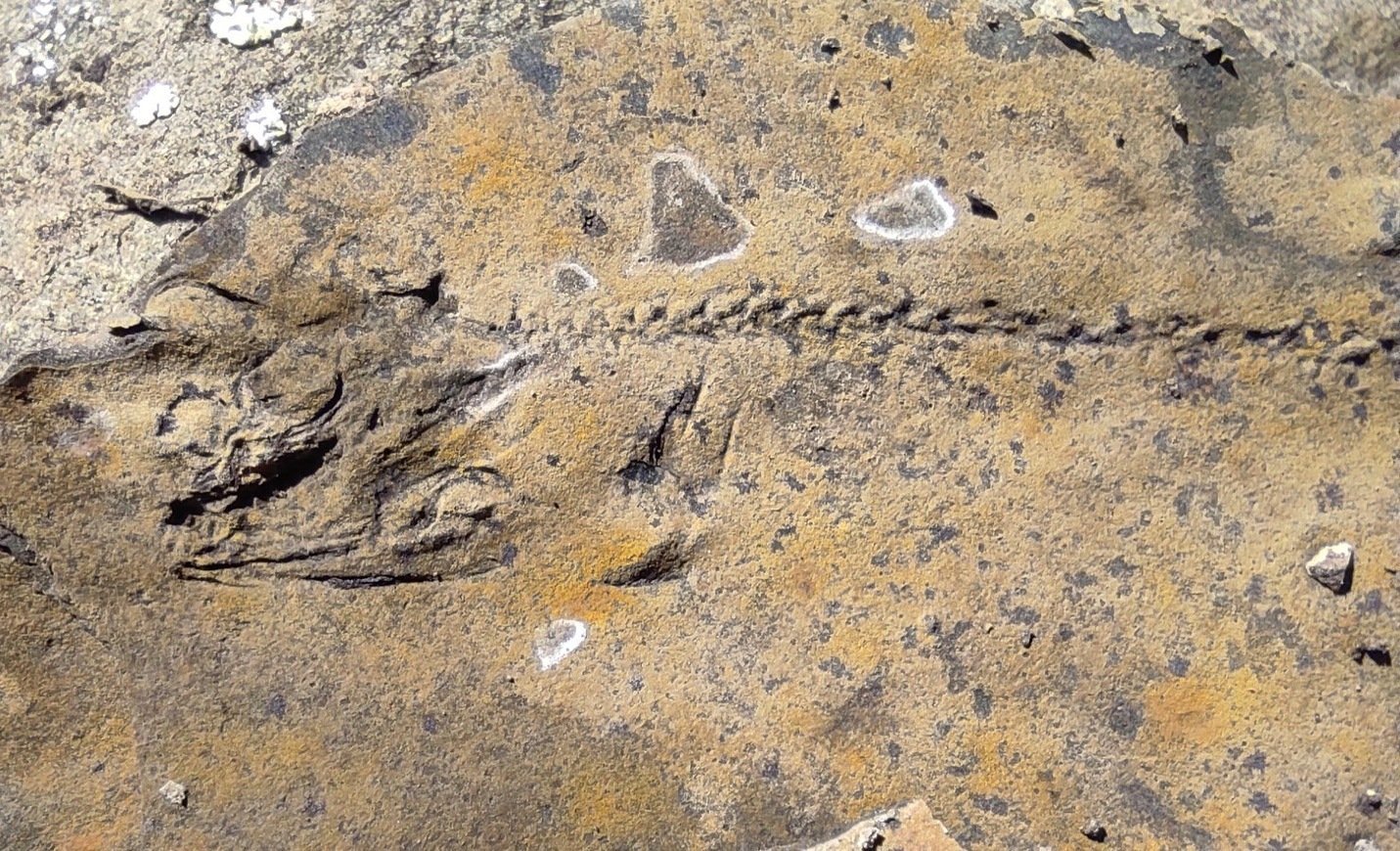
In the 1970s, researchers from the USSR Academy of Sciences’ Paleontological Institute conducted several expeditions, uncovering more than 400 prints of ancient amphibians.
To the researchers' surprise, all the specimens collected turned out to be representatives of a single species, named Utegenia shpinari. The reasons for such limited species diversity, or rather, its complete absence, remain a subject of scientific debate,
experts shared.
After those expeditions, no further research was conducted because the exact coordinates were lost — until now, when they were rediscovered in the old field diaries.
A Return to Kurty
During this first expedition in 50 years, scientists from the Institute of Zoology found around 120 skeletons of ancient amphibians, most likely belonging to Utegenia shpinari.
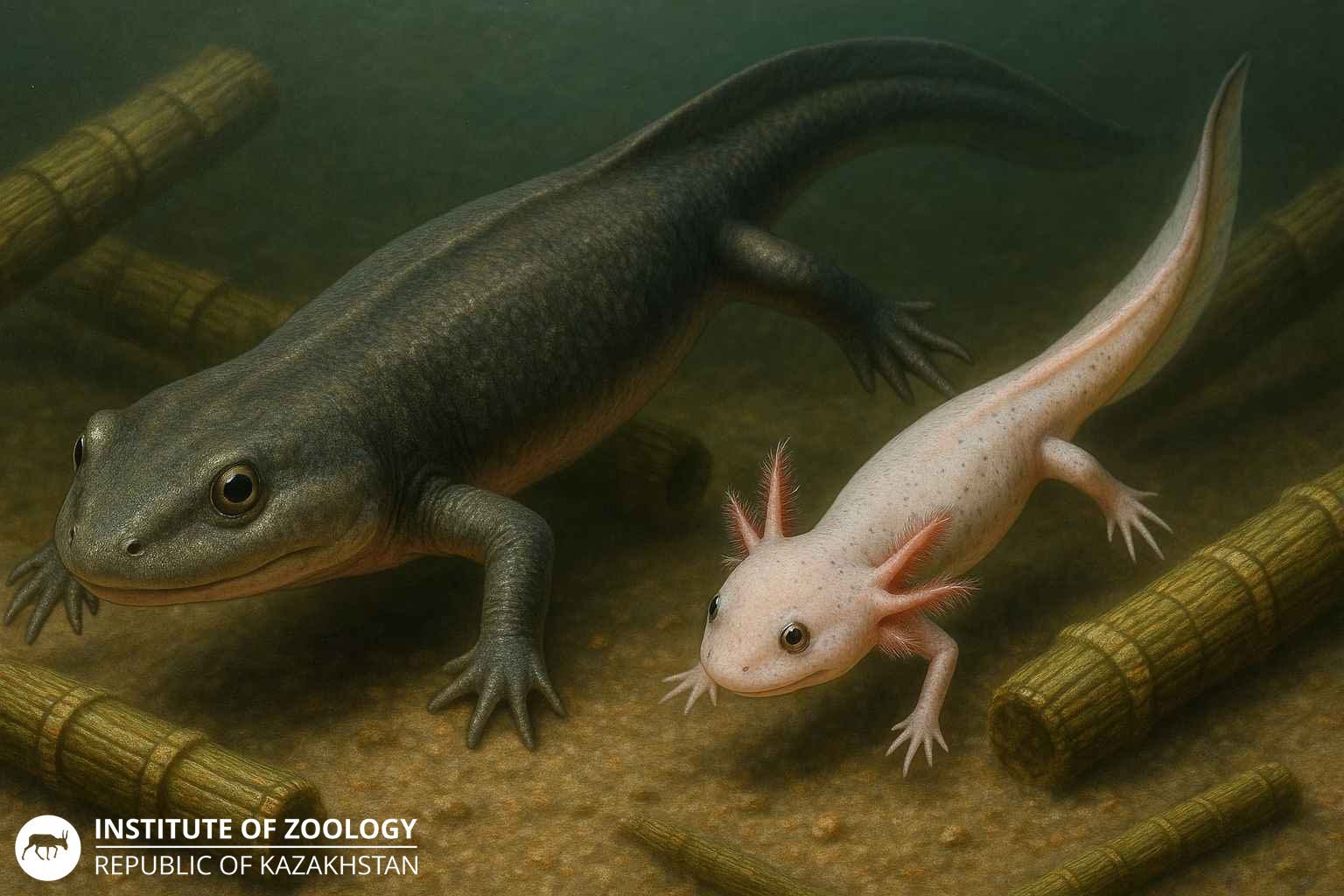
Utegenia were tailed amphibians from the order Seymouriamorpha. They lived in shallow freshwater bodies. Adults reached 30 cm in length and resembled modern newts and salamanders. Juveniles had gills like axolotls,
The institute describes the creatures.
Researchers also discovered imprints of ancient plants, including tree-like horsetails and Calamites.
These are not the first prehistoric finds in Kazakhstan this year — mammoth bones were uncovered in several regions earlier this fall, and dinosaur remains were found in the Qyzylorda region.
Original Author: Igor Ulitin
Latest news
- Tokayev Criticizes Banks For Delaying QR Payments
- Kazakhstan Launches New Preferential Loans For Livestock Breeders
- Rare New Guinea Monitor Lizards Arrive At Almaty Zoo
- Malaysian Automaker Proton Eyes Kazakhstan Production With Allur
- A Russian Teen Who Crossed Into Kazakhstan on Foot Wins Appeal Against Expulsion
- Regional Revenues, Global Instability, And The Referendum: What Tokayev Told Deputies
- Digitalization Of Customs Or New Barriers? What Entrepreneurs Fear In Kazakhstan’s New KEDEN System
- Astana Could Become An International Aviation Leasing Hub
- Kazakhstan’s First Tagged Eurasian Black Vulture Found Dead in India
- Kazakhstan Replaces Russian Turbines With Chinese Equipment for Ekibastuz Power Plant No. 2
- How Kazakhstan, Uzbekistan, And Azerbaijan Will Export Electricity To Europe
- Kazakhstan Explains How Russians Who Fled Mobilization Can Be Deported
- Kazakhstan and Japan discuss hydrogen partnership with export potential
- Russia Thanks Tokayev for Initiative to Support Russian Language
- Almaty Could Restrict Cars Under Beijing-Style Anti-Smog Plan
- Tigers in Kazakhstan Are in No Rush to Breed
- What Changes Are Being Prepared Under the New Tax Code
- Alcohol and Tobacco Prices in Kazakhstan See Sharpest Monthly Rise in 15 Years — Analysts
- Middle East Conflict Will Not Lead to Higher Gasoline Prices in Kazakhstan — Minister
- Five Regions of Kazakhstan Face Higher Flood Risk This Spring
