

Why Aqorda is Promoting the Aitu Messenger, and How It Differs from Russia’s MAX
 Photo: Ministry of Digital Development
The Aitu messenger was originally designed as a standard app for calls and messaging. Today, however, it is becoming the main platform for communication between government agencies. A decision has already been made to transfer officials to Aitu, and the first ministries have begun the transition.
Supporters highlight security and order in document flow, while critics warn of digital isolation and compare it to Russia’s experience.
Orda.kz has explored how Aitu went from an investment project to a “must-have” messenger — and the questions it raised.
A Boat Among Cruisers: How Aitu Began
The Aitu app launched in 2018. BTS Digital CEO Nurtay Abilgaliyev told journalists the company is one of the portfolio projects of the BTS Digital Ventures fund, whose main investor is the ERG group.
Forty percent of ERG shares belong to the state.

According to Abilgaliyev, this structure means about 40% of BTS Digital’s shares indirectly belong to the state:
I think that this can be said because there are no other shareholders along the way. The main participant in the fund is ERG. Accordingly, the fund is the main participant in BTS Digital, so this share is retransmitted to BTS Digital.
Although there is no direct state financing, the government remains a key partner.
Abilgaliyev stressed the company is not a government agency:
We are not some kind of state company that must directly follow the civil servant code or anything else. We are not civil servants. That gives us the opportunity to be real IT entrepreneurs and build a modern digital company.
Initially, Aitu offered only chats and calls, but its functionality expanded quickly. Mini-programs and a payment wallet were added. Growth came not from advertising, but through integration with city systems. Through Aitu, users could submit requests to Astana services or report issues in their neighborhoods.
During the pandemic, Aitu was used as an analogue of the Ashyq application. This sparked concerns that personal data shared on registration could be used for advertising or transferred to third parties.
The default user agreement included consent for advertising and data processing. Amid criticism, BTS Digital clarified that for Ashyq only a name and phone number were processed, and the agreement was updated.
At the height of the pandemic, BTS Digital Ventures Director Galymzhan Akhmetov told Bluescreen about Aitu’s development:
Popular global messengers resemble large cruisers, which are difficult for local projects to compete with. Therefore, we are trying to find a use for the messenger in those communication channels where there are no big players yet.
In April 2020, a project was launched with the Ministry of Education and the AiTube video hosting platform — the online.edu.kz portal. Through it, schoolchildren could watch video lessons, take tests, use learning materials, and communicate within their classrooms — all via Aitu.

According to Akhmetov, Aitu was already being used internally at the company. But this was not enough for communication with external partners, who continued using Western messengers.
He emphasized that growth depends on organic expansion of the audience:
We have just started. Many services are still raw. We are filling the system with content, opening new channels, developing areas such as the project with the Ministry of Education or telemedicine. But the network effect is very important here.
Meanwhile, fintech was also developing. In June 2022, the National Bank launched an instant payment system. BTS Digital integrated it into Aitu, creating a wallet and payment services — now branded “Aitu — payment solutions” and targeted at small and medium-sized businesses.
In 2024, ERG’s digital assets were slightly reduced. Salem Social Media was sold and restructured, and BTS Digital was transferred to Phoenix Fund LP, registered in the AIFC. Kazakhtelecom acquired 49.98%, while other participants included ERG and Digital Opportunities I.
BTS Digital Ventures became the managing partner.
The Transition to Aitu
The transition of Kazakhstan’s government agencies to the Aitu messenger began in August 2025. The Ministry of Defense was the first to announce it. Deputy Minister Darkhan Akhmediyev said the military had started a phased switch to Aitu for internal communication.
The reason, he explained, was simple: security.
The ministry believes official information should be transmitted only through secure channels, and Aitu is better suited for that than third-party platforms.
Almost immediately afterward, Minister of Transport Nurlan Sauranbayev confirmed that his ministry’s employees were already using Aitu in their work. The application has been integrated, testing is underway, and the department is participating in the process, not just formally, but in practice.
A public channel for the Ministry of Emergency Situations also appeared in the app — 112 KZ. Emergency alerts, warnings, and important updates are published there.
Meanwhile, the presidential administration began posting its official statements on Aitu. Aqorda now uses the messenger as an additional official platform, alongside its website and traditional channels.
On August 11, President Toqayev issued a direct order during a meeting on artificial intelligence: all communications of government agencies involving the transfer of personal data must move to Aitu.
The following day, Prime Minister Olzhas Bektenov set a deadline — September 15, 2025. The transition applies to everyone: ministries, departments, akimats, national companies, and the quasi-public sector.
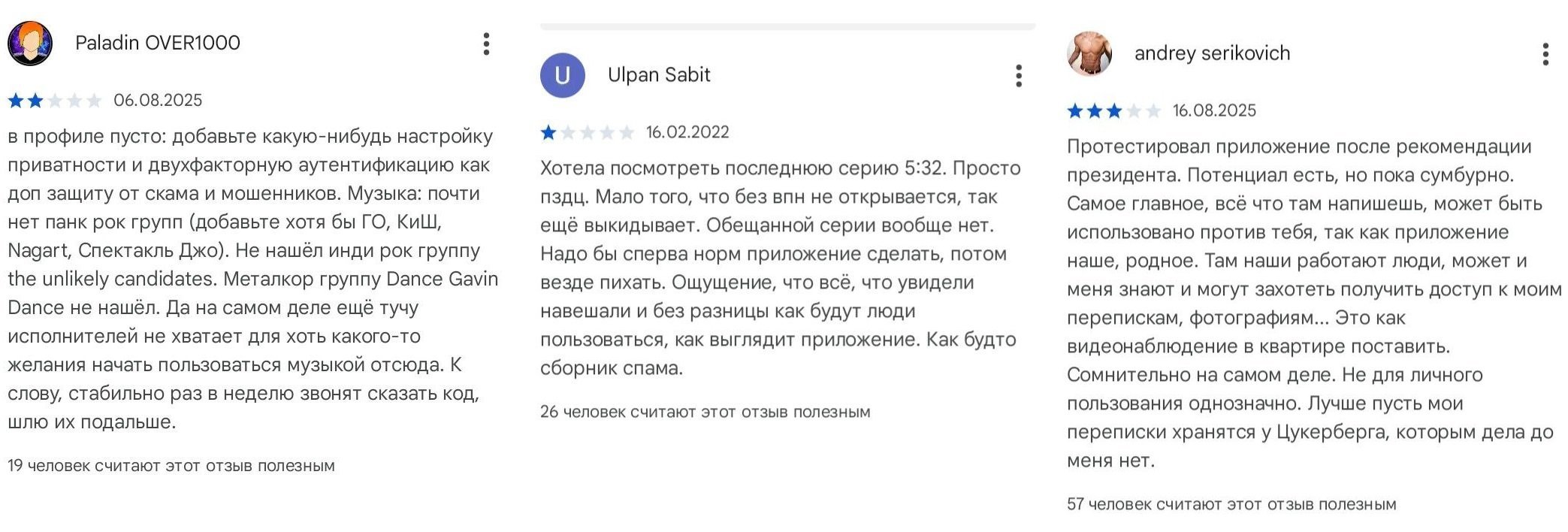
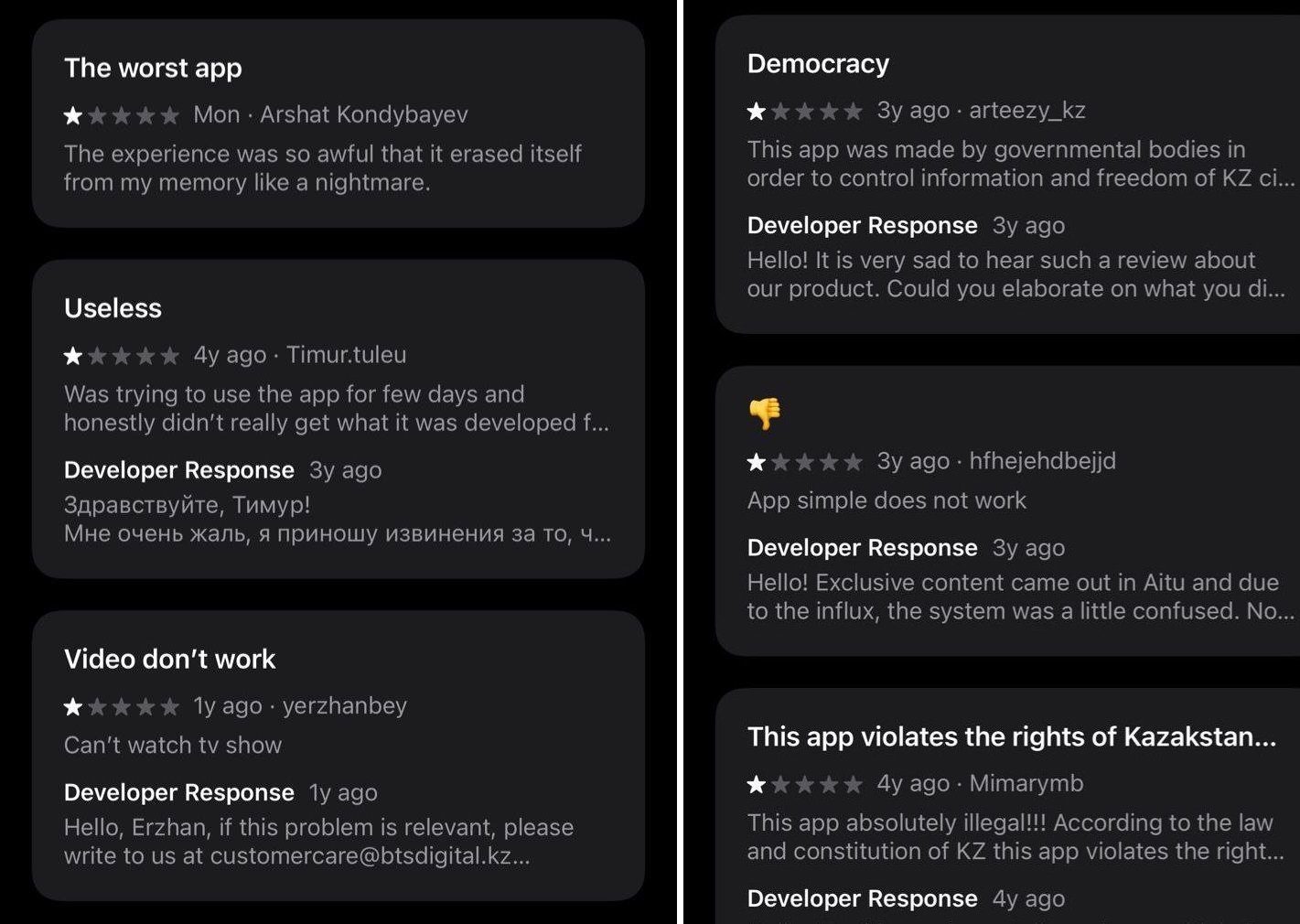
Digital Isolation?
Rumors and conspiracy theories have followed BTS Digital projects since their inception. Critics often suggested they were part of a long-term plan to build a closed Kazakh Internet, following the example of China. Such speculation surfaced every time the company launched a new project with government backing.
BTS Digital Ventures head Galymzhan Akhmetov dismissed those theories in his earlier interview:
It’s an interesting topic. When people bring it up over coffee or in business conversations, I always smile. I want to assure you that this conspiracy theory makes no sense.
But in 2025, talk of a “digital conspiracy” resurfaced. The reason was the timing: the rollout of Aitu into daily life, particularly in government operations, coincided with Russia’s aggressive promotion of its own closed messenger, MAX.
Against the backdrop of the Russian case, many began asking again: is Aitu a step toward Kazakhstan’s own closed Internet space? And has the initiative of our northern neighbor accelerated the move toward digital isolation?
Russia’s Sovereign Messenger
In 2025, VK introduced a new messenger, MAX. A beta version with chats, calls, and mini-apps launched in late March. By summer, the service was rapidly gaining users: the first million was announced in June, and by mid-August, installations reportedly numbered in the tens of millions. Experts, however, viewed these figures with skepticism.
The main news came on August 21–22, when the Russian government declared that starting September 1, MAX would be included in the list of mandatory applications on all smartphones and tablets sold in the country. And MAX is more than just a messenger: it can already be used to receive login codes for Govservices, Russia’s state services portal, and its functionality for government services is set to expand further.
At the same time, an aggressive advertising campaign was rolled out featuring top bloggers and entertainers — Instasamka, Valya Karnaval, Egor Kreed, and others. Their promotional videos, with catchphrases like “it works even in the parking lot,” spread across social media and quickly turned into memes.
The messenger became a hot topic not only among IT specialists but also with the broader public.

The regulatory trend is also clear. Alongside MAX, the RuStore app store has been made mandatory on all devices, and by 2026 the requirement will extend to smart TVs. Russian authorities justify these measures as steps toward “digital sovereignty” and the gradual transfer of services into Russian-controlled ecosystems.
IT security experts who studied the app concluded that its protections are far from airtight. They warned that the platform could eventually be used by authorities to access users’ personal data and correspondence at will.
User observations added to the doubts. For example, one desktop user noticed their webcam indicator light switching on every 5–10 minutes, even without calls or video in progress.
MAX’s press service denied it, but the incident fueled heated debate.
Another major concern is the app’s data collection policy. Online reports claim that MAX collects and transmits a wide range of personal information to authorities: names, phone numbers, birth dates, IP addresses, geolocation, contacts, and even browsing history.
The company insists that data can only be shared with Russian authorities upon official request and strictly within the law.
The first scam stories added to the security worries. In St. Petersburg, a pensioner was persuaded to install MAX and swindled out of 2.5 million rubles. In the Kursk region, another woman became a victim after giving away an SMS code — she lost 444,000 rubles.
In both cases, the scammers posed as government officials. The company says such accounts are blocked and data is handed over to the Ministry of Digital Development, but experts doubt that VK has the resources for thorough moderation.
From an Official’s Outcry to Virtual National Security
Lawyer Yerzhan Yessimkhanov commented on Kazakhstan’s recent digital agenda on his Facebook page. He noted that meetings with the President and Prime Minister discussed not only artificial intelligence, but also the shift of civil servants and the quasi-public sector to the national messenger Aitu:
The topic is spreading very actively now, especially after the meeting with the Prime Minister, that civil servants and the quasi-government sector will have to use a new national messenger called Aitu in their work. And they will have to switch en masse, and citizens who interact with them will also, apparently, start using it over time. That’s the idea. I actively don’t like it.
Yessimkhanov recalled Russia’s experience, where the rollout of a new messenger came with strict restrictions on competitors and the risk of personal data being handed to security services. In his view, if Aitu becomes mandatory for officials, each civil servant will end up with two messengers: one for official correspondence, the other — WhatsApp or Telegram — for informal communication.
This, he argues, will complicate communication rather than make it easier.
The lawyer added that a digital state is impossible without the basic right to Internet access, which is still not enshrined in Kazakhstan, despite the country’s relatively high connectivity.
Media critic and Adil Soz Foundation head Karla Jamankulova also weighed in on the plan to move government correspondence to Aitu and national servers. She acknowledged the change will inevitably face resistance but called it justified in terms of security and document management.
As many know, I have worked here and abroad with various Western countries. I’ve worked in conflict zones such as Afghanistan, and in less active but still very challenging places like Lebanon. So, I have long been systematically annoyed by the fact that all correspondence and documents are in chats, Jamankulova wrote.
She identified two main problems. The first is attitudes toward security. In Western countries, she noted, much stricter standards apply: no third-party software on work phones, strict rules on storing personal data, and mandatory digital security courses.
“Americans have the strictest requirements for correspondence security. Fail to complete an online course every six months — and your computer is blocked. It’s a systemic drill, but it works.”
The second issue is careless handling of documents. She stressed that the strength of the state apparatus lies in its archives, and messenger correspondence without proper storage puts that at risk.
In other countries, officials must upload correspondence archives to departmental databases. In Kazakhstan, they do not.
Changing habits is a painful process. Civil servants will whine their heads off about having to adapt to new resources. But it’s necessary and must be done,Jamankulova argued.
At the same time, she said communication with the public and the media through other messengers should remain acceptable. For press services, she suggested archiving work phones, and reminded readers that instant messengers should not replace all communication: “What about good old e-mails?”
Political analyst Gaziz Abishev called the move a logical continuation of existing security practices in the government.
What’s so unusual about it? For years, government agencies have exchanged official letters and other documents not via private e-mails like Gmail.com or Mail.ru, but through the Unified System of Electronic Document Management. The boss dictated the letter, the adviser drafted and approved the text, the secretary signed it with an electronic signature, and it was sent.
He pointed out that government bodies do not hold sensitive conversations over open networks but use secure lines and dedicated channels for video conferences. In his opinion, Aitu is needed to prevent officials from hastily sending operational documents via WhatsApp or Telegram, which have implications for state policy.
At the same time, Abishev admitted that yes, access to correspondence in Aitu is possible for responsible authorities if needed — but stressed that this should not worry conscientious civil servants.
Do honest officials really need to hide from their own country the correspondence they conduct during working hours?
In addition, he pointed out a double standard: if there are fears of surveillance at home, why deny that foreign entities are also capable of reading correspondence on foreign messengers?
Abishev stressed that the adoption of Aitu does not mean banning or restricting the use of familiar messengers. WhatsApp, Telegram, Signal, and others will continue to operate as before. Citizens, he emphasized, will keep using them, including for accessing government services.
Original Author: Artyom Volkov
Latest news
- Tokayev Criticizes Banks For Delaying QR Payments
- Kazakhstan Launches New Preferential Loans For Livestock Breeders
- Rare New Guinea Monitor Lizards Arrive At Almaty Zoo
- Malaysian Automaker Proton Eyes Kazakhstan Production With Allur
- A Russian Teen Who Crossed Into Kazakhstan on Foot Wins Appeal Against Expulsion
- Regional Revenues, Global Instability, And The Referendum: What Tokayev Told Deputies
- Digitalization Of Customs Or New Barriers? What Entrepreneurs Fear In Kazakhstan’s New KEDEN System
- Astana Could Become An International Aviation Leasing Hub
- Kazakhstan’s First Tagged Eurasian Black Vulture Found Dead in India
- Kazakhstan Replaces Russian Turbines With Chinese Equipment for Ekibastuz Power Plant No. 2
- How Kazakhstan, Uzbekistan, And Azerbaijan Will Export Electricity To Europe
- Kazakhstan Explains How Russians Who Fled Mobilization Can Be Deported
- Kazakhstan and Japan discuss hydrogen partnership with export potential
- Russia Thanks Tokayev for Initiative to Support Russian Language
- Almaty Could Restrict Cars Under Beijing-Style Anti-Smog Plan
- Tigers in Kazakhstan Are in No Rush to Breed
- What Changes Are Being Prepared Under the New Tax Code
- Alcohol and Tobacco Prices in Kazakhstan See Sharpest Monthly Rise in 15 Years — Analysts
- Middle East Conflict Will Not Lead to Higher Gasoline Prices in Kazakhstan — Minister
- Five Regions of Kazakhstan Face Higher Flood Risk This Spring
