

Uzbekistan, Afghanistan Launch Joint Energy Projects to Boost Power Supply
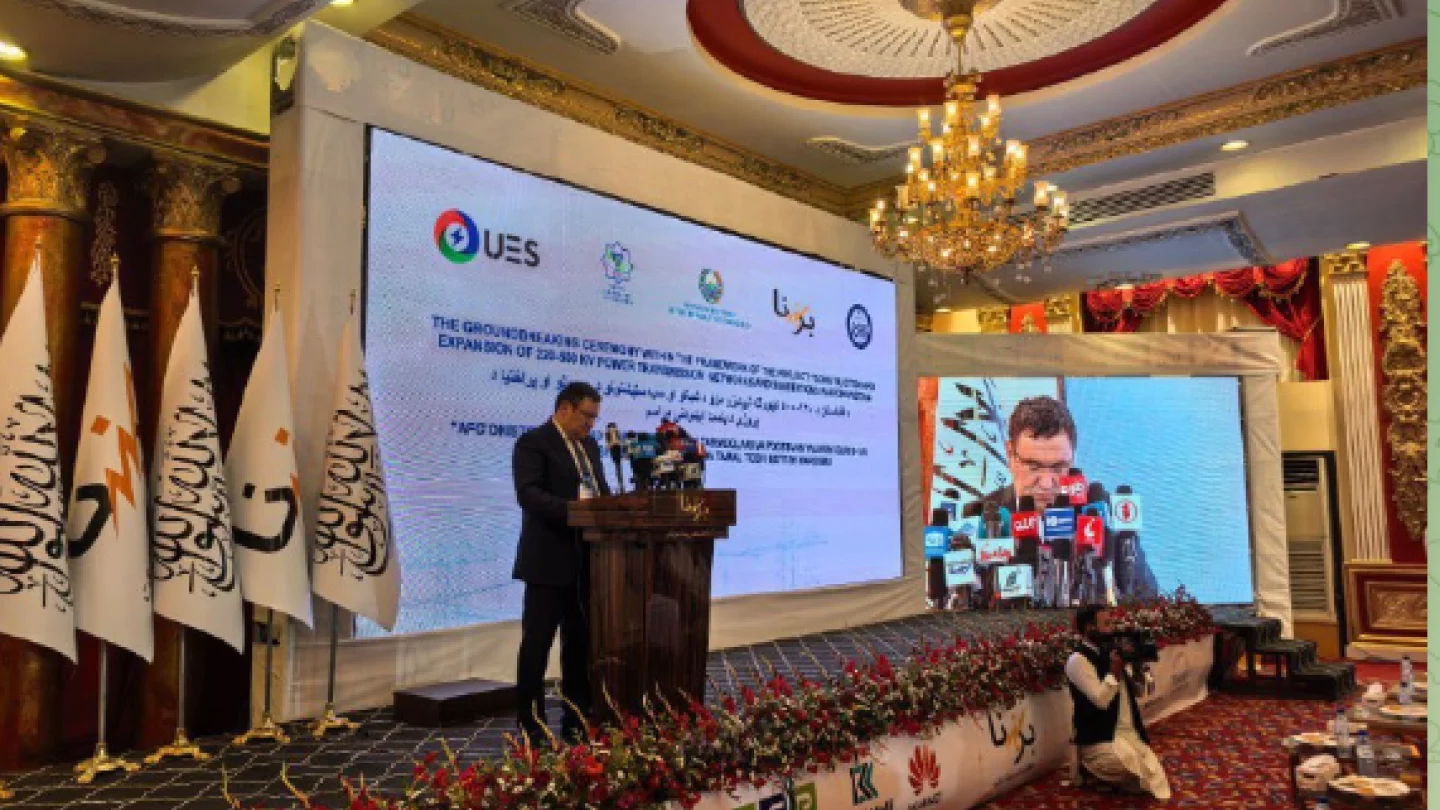 Photo: minenergy_uz
The first Conference on Investment and Support for Afghanistan’s Energy Sector was held in Kabul on September 6, the Uzbek Ministry of Energy reported, Orda.kz reports.
The event gathered Afghan government officials, energy delegations from Uzbekistan, Turkmenistan, and Tajikistan, as well as representatives of international organizations and diplomatic missions, writes Gazeta.uz.
According to Afghan Deputy Prime Minister for Economic Affairs Abdul Ghani Baradar Akhund, memorandums were signed for 9,123 MW of power generation, energy infrastructure development, and contracts for 284 MW between state utility Da Afghanistan Breshna Sherkat (DABS) and investors.
A financial agreement was also signed for the construction of 220–500 kV transmission lines and substations, officially launching the project.
On August 17, Uzbekistan signed investment deals with Afghanistan totaling $250 million, including:
- Construction of the 500 kV Surkhan–Pul-i-Khumri transmission line (200.6 km) and expansion of the Khoja-Alvan substation
- Expansion of the Arganda substation to 500/220 kV with capacity increased to 800 MVA
- Construction of a new 220 kV double-circuit line (125 km) from Buthak (Kabul) to Sheikh Misri (Nangarhar)
- Construction of the 220 kV Sheikh Misri substation with capacities of 2×25 MVA and 2×40 MVA
These projects are scheduled for completion by April 1, 2027. The ministry noted it will deepen Uzbekistan’s energy partnership with Afghanistan.
The Uzbek Ministry of Energy also confirmed readiness to assist in modernizing Afghanistan’s distribution networks, introducing smart metering, improving sector transparency, and ensuring reliable supply through technical expertise. Financing details, however, remain undisclosed.
As Gazeta.uz reports, Baradar emphasized Afghanistan’s vast reserves of water, wind, and solar energy, saying their use would ensure energy self-sufficiency and enable electricity exports.
Uzbekistan has supplied electricity to Afghanistan since 2002 and extended its export agreement through 2025.
Afghanistan imports about 80% of its power from Uzbekistan, Tajikistan, Turkmenistan, and Iran, with the rest generated domestically.
Latest news
- Where in Kazakhstan People Live the Longest
- Three Red Book Tiger Cubs Born at Almaty Zoo
- Ministry of Health Reveals Leading Causes of Death Among Kazakhstanis
- Smell of Feces and Flooded Offices: The Conditions KTZ Employees Work In
- “We Are Less Prone to Corruption”: NSDP Members Discuss Women in Power and “Men’s Clubs”
- Auditors Reveal How Officials Diverted Tens of Billions of Tenge in Kostanay Region
- Kazakhstanis Cool on Dollar Despite Favorable Exchange Rate
- EAEU Looks to Speed Up Transportation Using AI
- Astana Resident Who Posted Story About Harassment in Army on Social Media Detained
- National Bank Allows Use of Old 10,000‑Tenge Bills Until 2027
- Parliament Adopts Law on Special Status of City of Alatau
- From Electric to Hybrid: Kazakhstan’s Changing Auto Market
- Kazakhstan Proposes Changes to Structure of Pension Contributions
- Three New Hydroelectric Power Plants to Be Built in Kazakhstan
- Life Up to 77 Years: New Healthcare Strategy Presented in Kazakhstan
- Kinopark Demanded "Entry Fees" for Film Distribution in Kazakhstan
- Could Kazpost Be Closed in Kazakhstan's Villages? Prime Minister Responds to Deputies' Concerns
- Kazakhstan Seeks to Introduce Compulsory Employment for IDPs and Kandas
- Residents of Almaty Demand Return of Baum Grove to Specially Protected Natural Area Status
- A Drone Again? Object Similar to UAV Found in Western Kazakhstan
