

Türkiye: Protests Ongoing, Lira Tumbles
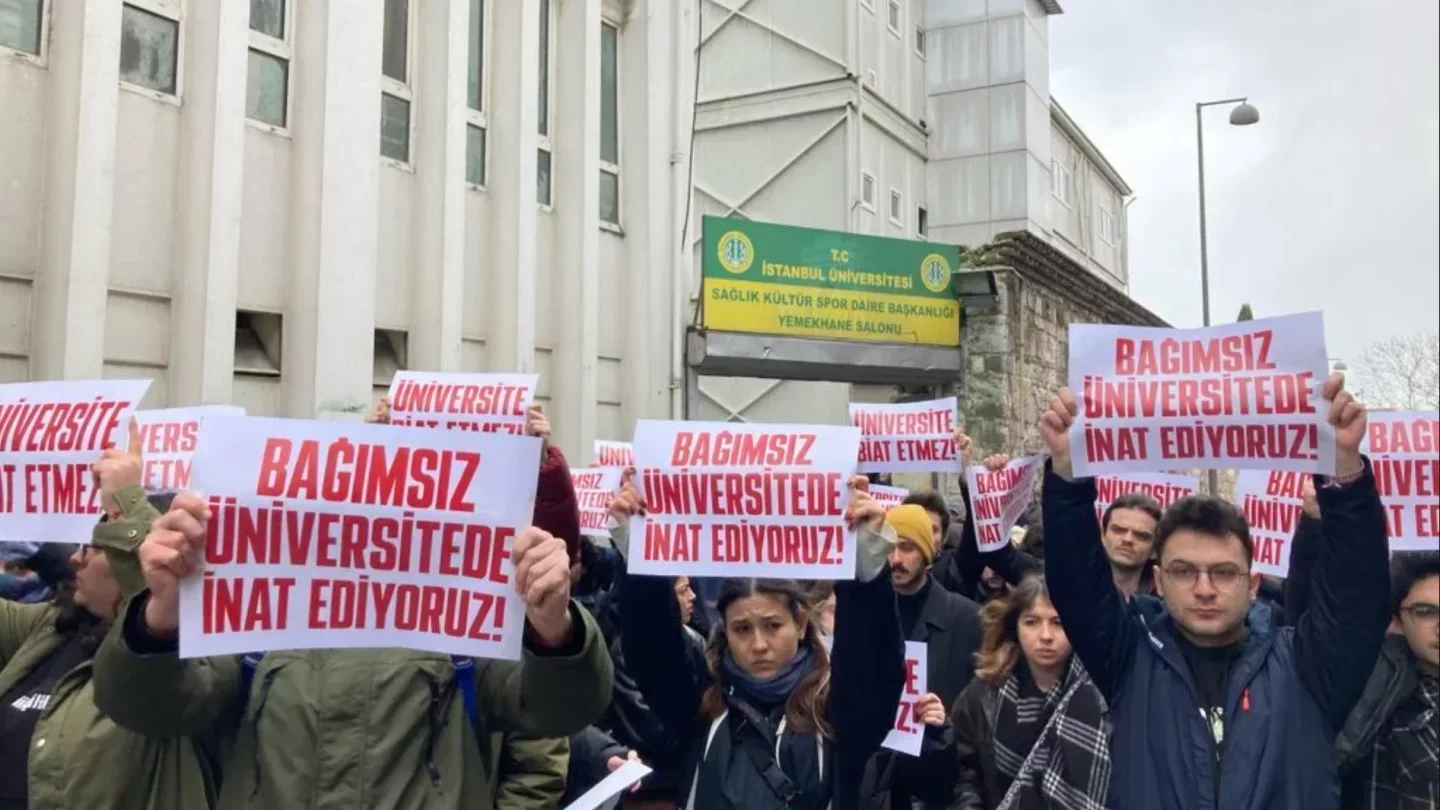 Photo: BirGün
Mass protests are ongoing in Türkiye following the arrest of Istanbul Mayor Ekrem İmamoğlu, a prominent opposition figure and potential presidential contender against President Recep Tayyip Erdoğan, Orda reports.
Detained on charges of corruption and alleged ties to terrorist organizations, İmamoğlu's supporters view the arrest as a politically motivated move to eliminate Erdoğan's chief rival ahead of upcoming elections.
Thousands have taken to the streets in major cities, including Istanbul, Ankara, and İzmir, defying bans on public gatherings.
Protesters accuse the government of undermining democratic principles and are demanding İmamoğlu's immediate release. The demonstrations have attracted a diverse coalition of participants, from students and legal professionals to civil society representatives.
Law enforcement has responded with force, deploying tear gas and water cannons to disperse crowds, leading to numerous arrests. The situation remains particularly tense in central Istanbul, where protesters continue to rally near the municipal building despite heavy police presence.
Özgür Özel, leader of the Republican People's Party (CHP), has openly endorsed the protests, urging citizens to mobilize in support of İmamoğlu.
Similarly, Ankara Mayor Mansur Yavaş has expressed solidarity with his detained colleague.
President Erdoğan has dismissed the protests as "political theatrics," accusing the opposition of attempting to destabilize the nation. He criticized the CHP for what he described as deceptive tactics aimed at obscuring their own shortcomings.
International reactions have been swift. The European Union has called on Türkiye to uphold principles of transparency and the rule of law, emphasizing that, as a candidate country for EU membership and a Council of Europe member, Türkiye is expected to adhere to high democratic standards.
The Turkish lira has depreciated significantly, reaching a record low against the dollar. In response, the Central Bank of Türkiye intervened by selling substantial amounts of foreign currency in an attempt to stabilize the market.
The situation continues to evolve, with nationwide protests persisting and the government's stance remaining firm.
Original Author: Zarina Fayzulina
Latest news
- Copper And Molybdenum Project Set To Launch In Abay Region
- Deputies Raise Alarm Over Chaos in Construction Licensing and Oversight
- Kazakhstan’s Tobacco Output Surges as Smoking Rate Holds Steady
- EAEU Waives Import Duties on Several Vegetables for Kazakhstan
- SpaceX Direct-to-Cell Service Still Awaiting Commercial Launch in Kazakhstan
- Kazakhstan To Require Near Real-Time Emissions Reporting From Enterprises
- Tokayev Says Elections to Kazakhstan’s New Parliament Will Be Held in August
- System Outage Leaves Foreigners Without IIN and Residence Permit Services in Kazakhstan
- Sowing 2026: What Kazakhstan Will Plant and How It Will Pay for It
- What Higher Foreign Labor Hiring Rates Could Mean for Kazakhstan
- First Soyuz-5 Launch From Baiterek Expected Soon
- Gas Went Up Despite A Tariff Freeze In Southern Kazakhstan
- Kazakhstan Expands Military Spending With A Focus On UAVs
- Who Is Now Protecting Investors In Kazakhstan
- No One Was Punished For LGBT Propaganda In Kazakhstan — Ministry Of Culture
- Can Kazakhstan Really Send Green Power To Europe Through The Black Sea?
- Why Kazakhstan’s Army Is Struggling To Win Over Young Recruits
- A New Transit Era May Cost Almaty Dozens Of Buildings
- From Patient Care To Italy Trips: Prosecutors Uncover Embezzlement Scheme In Astana
- Kazakhstan Clears The Sky For Turkish Military Transit
