

Russia Refuses to Lift Ban on EU Livestock Transit, Citing Foot-and-Mouth Disease Risk
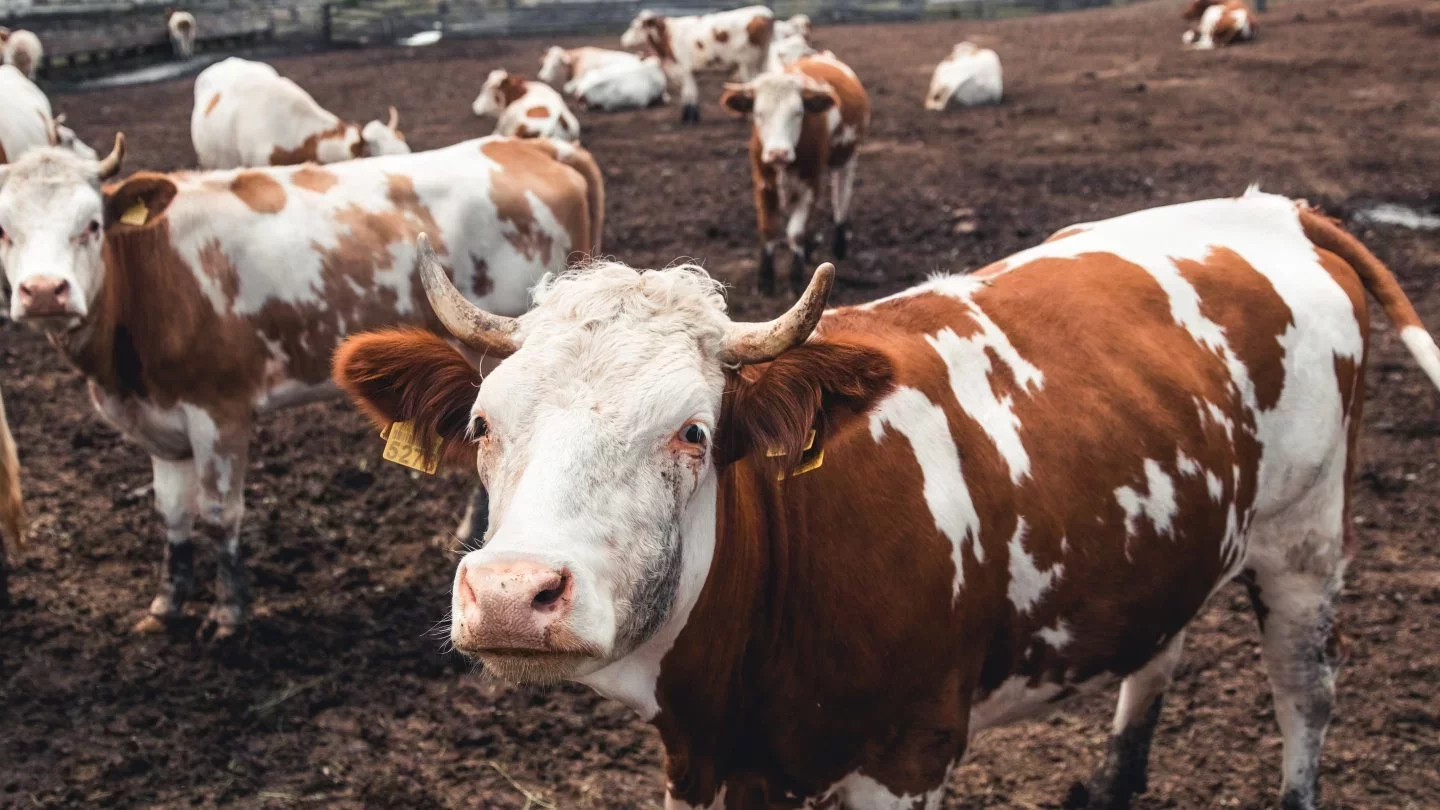 Photo: Elements.envato.com, ill. purposes
Russia has declined to revise its ban on the transit of animals from the European Union through its territory, citing concerns about the spread of foot-and-mouth disease, a contagious viral infection affecting livestock, Orda.kz reports.
The decision was announced by the head of Rosselkhoznadzor, Sergey Dankvert, during negotiations with Kazakhstan’s Vice Minister of Agriculture, Amangaliy Berdalin. Kazakhstan had expressed interest in resuming cattle transit through Russian territory, but was met with a firm refusal.
The lack of response from the EU to the Rosselkhoznadzor's request regarding the situation with the spread of foot-and-mouth disease in the EU is preventing the resolution of this issue,
commented the supervisory authority.
Foot-and-mouth disease is a severe viral illness affecting domestic and wild cloven-hoofed animals. It typically presents with fever and vesicular lesions in the mouth, udder, and feet.
Cattle and pigs are the most vulnerable, while sheep, goats, and wild animals are less frequently affected. The disease can also be transmitted to humans, causing similar symptoms such as fever, painful ulcers, and skin rashes.
In 2025, outbreaks were confirmed on farms in Germany, Hungary, and Slovakia. In response, Russia completely banned livestock product imports from the EU in January.
Kazakhstan also introduced its own ban on cattle imports from Germany’s Brandenburg region due to reported infections. Separately, Kazakhstan suspended poultry imports from the United States and Germany following a bird flu outbreak.
Original Author: Alina Pak
Latest news
- Why Are Kazakhstanis Leaving Southern Regions In Large Numbers?
- Tokayev Criticizes Banks For Delaying QR Payments
- Kazakhstan Launches New Preferential Loans For Livestock Breeders
- Rare New Guinea Monitor Lizards Arrive At Almaty Zoo
- Malaysian Automaker Proton Eyes Kazakhstan Production With Allur
- A Russian Teen Who Crossed Into Kazakhstan on Foot Wins Appeal Against Expulsion
- Regional Revenues, Global Instability, And The Referendum: What Tokayev Told Deputies
- Digitalization Of Customs Or New Barriers? What Entrepreneurs Fear In Kazakhstan’s New KEDEN System
- Astana Could Become An International Aviation Leasing Hub
- Kazakhstan’s First Tagged Eurasian Black Vulture Found Dead in India
- Kazakhstan Replaces Russian Turbines With Chinese Equipment for Ekibastuz Power Plant No. 2
- How Kazakhstan, Uzbekistan, And Azerbaijan Will Export Electricity To Europe
- Kazakhstan Explains How Russians Who Fled Mobilization Can Be Deported
- Kazakhstan and Japan discuss hydrogen partnership with export potential
- Russia Thanks Tokayev for Initiative to Support Russian Language
- Almaty Could Restrict Cars Under Beijing-Style Anti-Smog Plan
- Tigers in Kazakhstan Are in No Rush to Breed
- What Changes Are Being Prepared Under the New Tax Code
- Alcohol and Tobacco Prices in Kazakhstan See Sharpest Monthly Rise in 15 Years — Analysts
- Middle East Conflict Will Not Lead to Higher Gasoline Prices in Kazakhstan — Minister
