

Reuters: Chevron Weighs Bid for Lukoil’s Foreign Assets
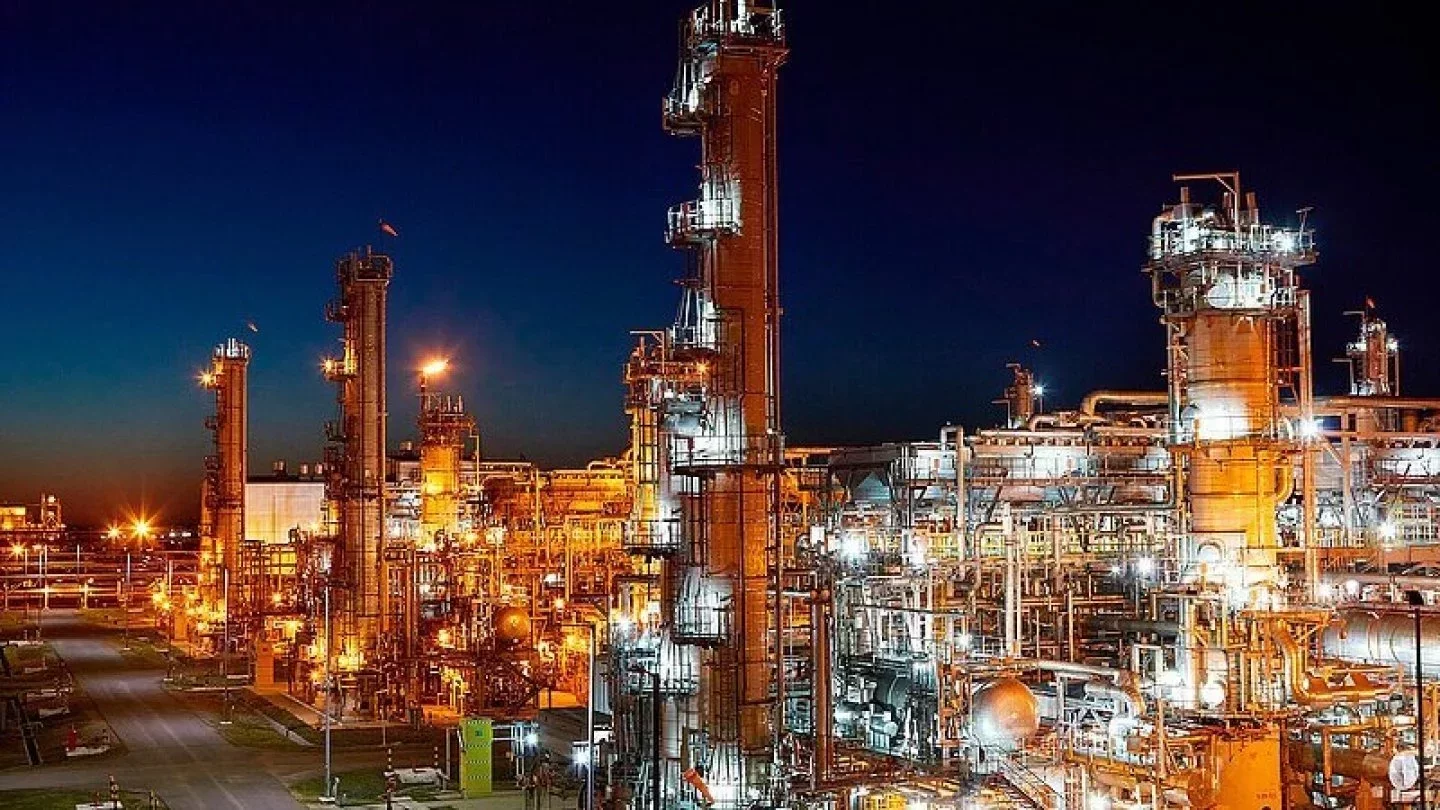 Photo: Kpo.kz
US energy giant Chevron is considering the possible purchase of Lukoil’s foreign assets, including stakes in major Kazakh oil and gas projects, Orda.kz reports, citing Reuters.
Sanctions imposed in October forced Lukoil to begin divesting parts of its overseas business. Last week, the US Treasury issued a license allowing potential buyers to hold negotiations with the company despite ongoing restrictions.
Reuters reports that Chevron is examining assets where it already partners with Lukoil — most notably stakes in Kazakhstan’s Karachaganak (13.5%) and Tengiz (5%) fields. These projects also involve Eni, Shell, and ExxonMobil.
In addition to Chevron, the investment firm Carlyle is also studying a potential acquisition of Lukoil’s global properties. These include three European refineries, stakes in oil projects in Iraq, Uzbekistan, Egypt, Mexico, and Nigeria, and hundreds of fuel stations around the world — including in the United States.
Rumors had circulated that KazMunayGas (KMG) was in talks to acquire Lukoil’s stake in the Karachaganak project.
However, the national company denied this:
Reports suggesting that KazMunayGas may buy Lukoil’s stake in the Karachaganak project are not true. At the same time, KMG and its partners are continuously analyzing the impact of sanctions on the project,
the company clarified.
A day earlier, Energy Minister Yerlan Akkenzhenov stated that the government is not discussing any purchase of Lukoil assets. He noted that major projects — Karachaganak, Tengiz, and CPC — were removed from the sanctions list, allowing operations to continue. Decisions about Lukoil’s overseas holdings have been postponed until mid-December, during which time the company must decide its own strategy.
As previously reported, US and UK sanctions could halt operations at Lukoil’s refinery in Burgas, Bulgaria — the company’s largest foreign asset.
KMG had earlier explored buying the plant. Bulgaria is currently experiencing a fuel shortage, and analysts believe that a sale could open the door for Kazakhstan’s crude to enter the European market.
The refinery can process up to 196,000 barrels per day and is compatible with Kazakh oil.
Original Author: Ruslan Loginov
Latest news
- Tokayev Finishes Uzbekistan Trip With Focus on Trade and Environmental Cooperation
- Kashagan Operator Accused Of Stalling Sulfur Fine Pending Washington Arbitration
- Copper And Molybdenum Project Set To Launch In Abay Region
- Deputies Raise Alarm Over Chaos in Construction Licensing and Oversight
- Kazakhstan’s Tobacco Output Surges as Smoking Rate Holds Steady
- EAEU Waives Import Duties on Several Vegetables for Kazakhstan
- SpaceX Direct-to-Cell Service Still Awaiting Commercial Launch in Kazakhstan
- Kazakhstan To Require Near Real-Time Emissions Reporting From Enterprises
- Tokayev Says Elections to Kazakhstan’s New Parliament Will Be Held in August
- System Outage Leaves Foreigners Without IIN and Residence Permit Services in Kazakhstan
- Sowing 2026: What Kazakhstan Will Plant and How It Will Pay for It
- What Higher Foreign Labor Hiring Rates Could Mean for Kazakhstan
- First Soyuz-5 Launch From Baiterek Expected Soon
- Gas Went Up Despite A Tariff Freeze In Southern Kazakhstan
- Kazakhstan Expands Military Spending With A Focus On UAVs
- Who Is Now Protecting Investors In Kazakhstan
- No One Was Punished For LGBT Propaganda In Kazakhstan — Ministry Of Culture
- Can Kazakhstan Really Send Green Power To Europe Through The Black Sea?
- Why Kazakhstan’s Army Is Struggling To Win Over Young Recruits
- A New Transit Era May Cost Almaty Dozens Of Buildings
