

Police Response Questioned After 2024 Qaraganda Assault Ends in Fatality
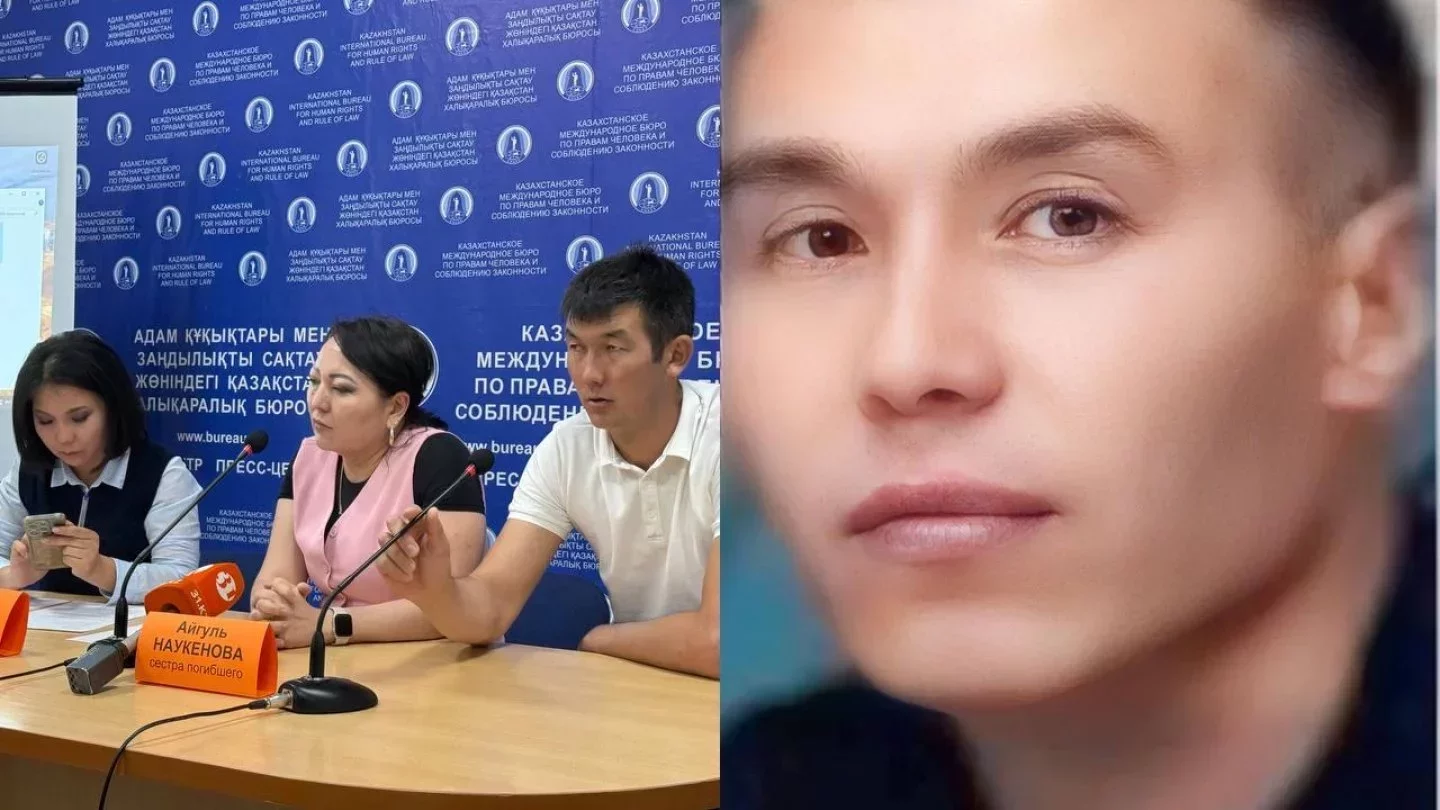 Photo: Orda
In Qaraganda, Nurgeldy Naukenov was beaten and suffered a brain hemorrhage. Naukenov, a father of two, died at the hands of acquaintances.
They took the man’s money and then threw him out on the street. A police officer witnessed the situation. Relatives have demanded justice.
Orda.kz shares the details.
For His Eldest Son's Education
On September 4, 2024, 39‑year‑old Naukenov died after being severely beaten. He had come from the Ulytau region with a friend to pay for his eldest son's education. They rented a room near the train station and went to a nearby canteen for dinner.
There, Naukenov met a man he knew well and had helped financially, knowing he had health problems. Later, two more men joined, and together they invited Nurgeldy to go outside. That same friend “grabbed Naukenov by the collar and pushed him.” He hit the back of his head on the pavement and lost consciousness.
The three men and the friend dragged him to a car and drove him to the entrance of a rented apartment — right in front of a police post near the bus station. The officer not only did not intervene. His subsequent actions have been questioned by relatives.
Claims have been made that the police officer is a relative of one of the three involved.
Naukenov's phone was left charging in the canteen. Later, that same acquaintance returned and, using the phone, withdrew 740,000 tenge from his account — money meant for his son’s education.
“We Thought He Was Drunk.”
After the assault, Naukenov wandered in the apartment courtyard for hours. Tenants, alarmed by his condition, called the police, who took him to the station. He spent three hours there but couldn’t clearly explain who he was or what happened. Despite complaining of severe head pain, no ambulance was called.
When relatives asked two officers, “Why didn’t you call an ambulance? He could have been saved in those three hours,” they replied, “We thought he was drunk.”
His sister, Aigul Naukenova, who works in an ER, retorted:
So they can’t tell a drunk person from a sober one? Besides, they saw the injuries with their own eyes—a swollen face and head. We demand that these two police officers also be punished for their indifference to my brother’s life. I work in a hospital emergency room myself. I have seen how many people with similar injuries were saved.
Death in a Hotel
After three hours at the station, scientists handed Naukenov over to his 16‑year‑old son. Before leaving, the officers even showed him his father’s head wounds. The son, noticing his dad only wanted to rest and that his student‑occupied apartment wasn’t suitable, placed him in a nearby hotel.
There, his father died alone from head injury complications, foaming at the mouth. A medical exam confirmed a skull fracture and brain hemorrhage.
Questions
Aigul says she doesn’t trust the investigators. She found critical evidence herself — CCTV footage, ATM data, and call logs.
Despite the phone remaining on for days, investigators delayed action. Of the six people present during the incident, only three were held accountable: one was sentenced to 1.5 years for involuntary manslaughter, but released after nine months; the other two remain free.
She alleges the case’s investigator is related to one of the convicted. Records show the Naukenov’s phone was at the investigator’s home until September 18.
Aigul says she still doesn’t understand how the suspects unlocked her brother’s phone.
One confessed he “pressed zero four times and opened it.”
But Naukenov’s son says his father had a different passcode. The family suspects the men returned, assaulted him again, and forced him to unlock it. Cell operator data indicates the phone signal during unlocking came from the area near the apartment.
On the same day the 740,000 tenge was stolen, the three men allegedly spent all of it on gambling, renting another apartment, and inviting women there.
Lawyer Seeks Conspiracy Charges
Lawyer Inga Imanbay argues the case should be treated as a conspiracy, not fragmented incidents:
In the case I took on, the initiation of several separate criminal proceedings on minor charges raises doubts and leads to many questions remaining unanswered. This indicates a concealment of the real circumstances of the crime and helps to avoid responsibility.
She believes charges should span multiple articles of the Criminal Code: intentional grievous harm (Article 106, Part 3), robbery (Article 191, Part 2), and failure to report a crime (Article 434).
She also calls for charges against the police officers who, despite knowing Naukenov’s severe condition, “did not call an ambulance.”
Imanbay plans to submit these demands to Prosecutor General Berik Asylov and request that the case receive special procedural control.
Original Author: Perizat Jarylqasyn
Latest news
- Tokayev Criticizes Banks For Delaying QR Payments
- Kazakhstan Launches New Preferential Loans For Livestock Breeders
- Rare New Guinea Monitor Lizards Arrive At Almaty Zoo
- Malaysian Automaker Proton Eyes Kazakhstan Production With Allur
- A Russian Teen Who Crossed Into Kazakhstan on Foot Wins Appeal Against Expulsion
- Regional Revenues, Global Instability, And The Referendum: What Tokayev Told Deputies
- Digitalization Of Customs Or New Barriers? What Entrepreneurs Fear In Kazakhstan’s New KEDEN System
- Astana Could Become An International Aviation Leasing Hub
- Kazakhstan’s First Tagged Eurasian Black Vulture Found Dead in India
- Kazakhstan Replaces Russian Turbines With Chinese Equipment for Ekibastuz Power Plant No. 2
- How Kazakhstan, Uzbekistan, And Azerbaijan Will Export Electricity To Europe
- Kazakhstan Explains How Russians Who Fled Mobilization Can Be Deported
- Kazakhstan and Japan discuss hydrogen partnership with export potential
- Russia Thanks Tokayev for Initiative to Support Russian Language
- Almaty Could Restrict Cars Under Beijing-Style Anti-Smog Plan
- Tigers in Kazakhstan Are in No Rush to Breed
- What Changes Are Being Prepared Under the New Tax Code
- Alcohol and Tobacco Prices in Kazakhstan See Sharpest Monthly Rise in 15 Years — Analysts
- Middle East Conflict Will Not Lead to Higher Gasoline Prices in Kazakhstan — Minister
- Five Regions of Kazakhstan Face Higher Flood Risk This Spring
