

Kazakhstan Uncovers Major Rare Earth Metals Deposit
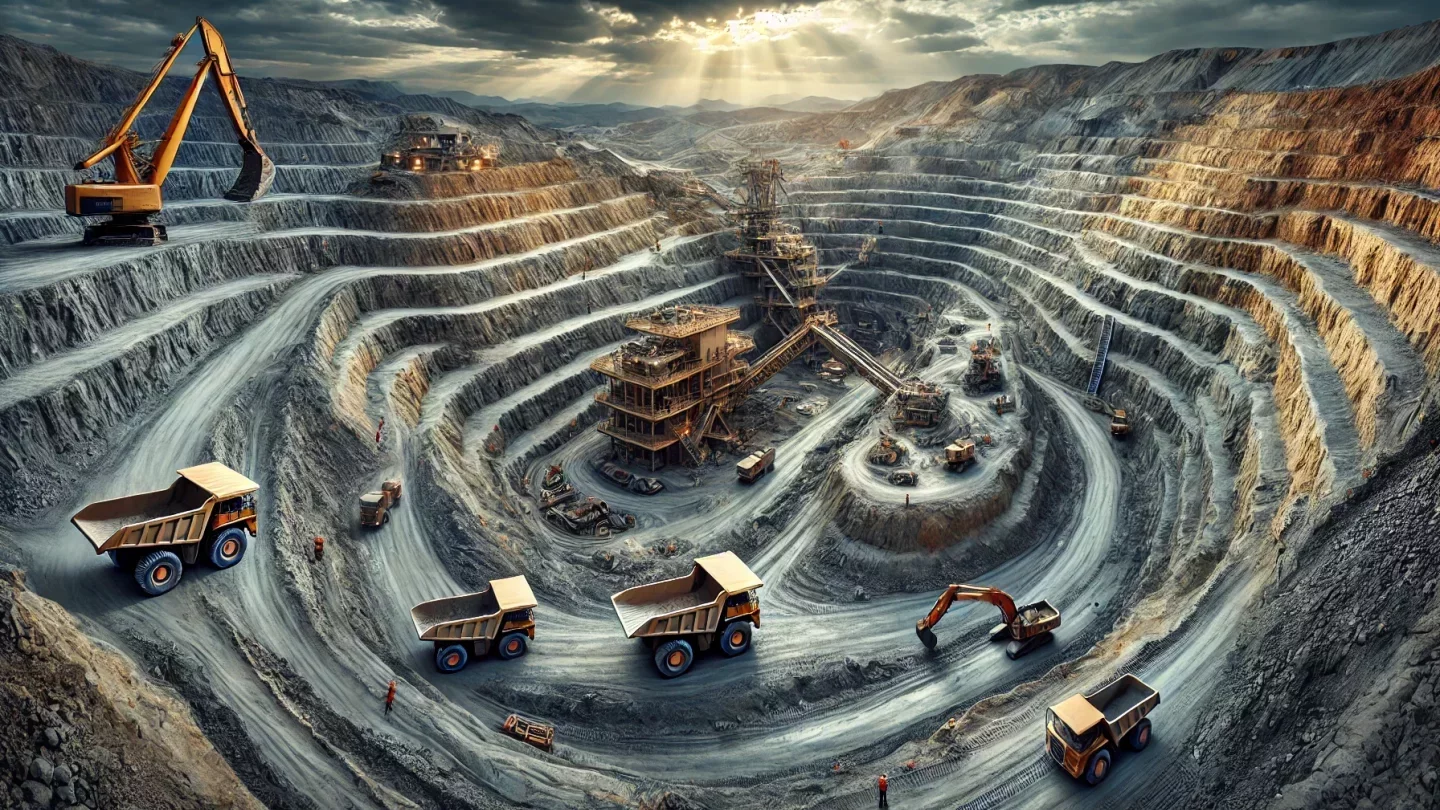 Photo: Dall-E, illustrative purposes
Kazakhstan could be on the verge of becoming a global leader in strategic raw materials following the discovery of a massive rare earth metals deposit in the Qaraganda region. However, without domestic processing capabilities, the country risks remaining a supplier of raw materials rather than moving up the value chain, Orda.kz reports.
Geologists from Tsentrgeolsyomka LLP recently identified a significant deposit in the Kuirektykol area. According to the Ministry of Industry and Trade, the site contains tens of millions of tons of rare earth elements, with concentrations high enough to support future industrial development.
Two highly promising zones—named Irgiz and Dos 2—were discovered between 2022 and 2024. Some areas showed concentrations of up to 0.25%, which is considered quite high in this field. The Irgiz zone, in particular, is estimated to hold up to 800,000 tons of rare earth metals.
The newly designated cluster, “Jana Kazakhstan,” is believed to be especially rich. Geologists estimate it could contain as much as 20 million tons of rare earth elements at depths reaching 300 meters. Experts say this is a new kind of industrial deposit — one without precedent in Kazakhstan.
The identified rare earth deposits and promising areas, if further confirmed, could position Kazakhstan as a global leader in rare earth element reserves and enable the rapid development of a high-tech rare earth metals industry,the Ministry of Industry and Construction stated.
Earlier, we wrote that fully realizing this potential will take years and require substantial investment.
Currently, Kazakhstan lacks the technology for deep processing of rare earth metals, making it reliant on foreign partners. As government officials have previously stated, the country is looking to cooperate with investors from the U.S., EU, South Korea, and Canada.
Kazakhstan has at least 15 known rare earth deposits, and its subsoil may hold resources valued at up to $46 trillion. Analysts believe the country has the potential to rival China, which currently dominates around 70% of global production.
However, to achieve this, Kazakhstan will need more than just investment — it will also require major reforms in subsoil use, access to cutting-edge technologies, and the development of its own processing infrastructure.
Original Author: Ruslan Loginov
Latest news
- Kazakhstan’s First Tagged Eurasian Black Vulture Found Dead in India
- Kazakhstan Replaces Russian Turbines With Chinese Equipment for Ekibastuz Power Plant No. 2
- How Kazakhstan, Uzbekistan, And Azerbaijan Will Export Electricity To Europe
- Kazakhstan Explains How Russians Who Fled Mobilization Can Be Deported
- Kazakhstan and Japan discuss hydrogen partnership with export potential
- Russia Thanks Tokayev for Initiative to Support Russian Language
- Almaty Could Restrict Cars Under Beijing-Style Anti-Smog Plan
- Tigers in Kazakhstan Are in No Rush to Breed
- What Changes Are Being Prepared Under the New Tax Code
- Alcohol and Tobacco Prices in Kazakhstan See Sharpest Monthly Rise in 15 Years — Analysts
- Middle East Conflict Will Not Lead to Higher Gasoline Prices in Kazakhstan — Minister
- Five Regions of Kazakhstan Face Higher Flood Risk This Spring
- Kazakhstan Ratifies Turkic States Civil Protection Deal
- Astana Enters Top 100 Safest Cities as Smart City Project Expands
- Almaty Cameras to Record New Driver Violations Starting March 12
- Kazakhstan Suspended 11 Polling Stations Abroad Due to Middle East Escalation
- Kazakhstan’s Foreign Ministry Comments on Disappearance of Citizen After South Korea Factory Fire
- ChatGPT Among AI Tools Recommended for School Lessons in Kazakhstan
- Missing Kazakh Woman Found in Vietnam Four Days Later
- Seven-Year-Old Kazakh Girl Returned From Georgia Following Six Months of Diplomatic Efforts
