

Flood Damage and Time Change Impact: Ecologist's Take on Outgoing Year
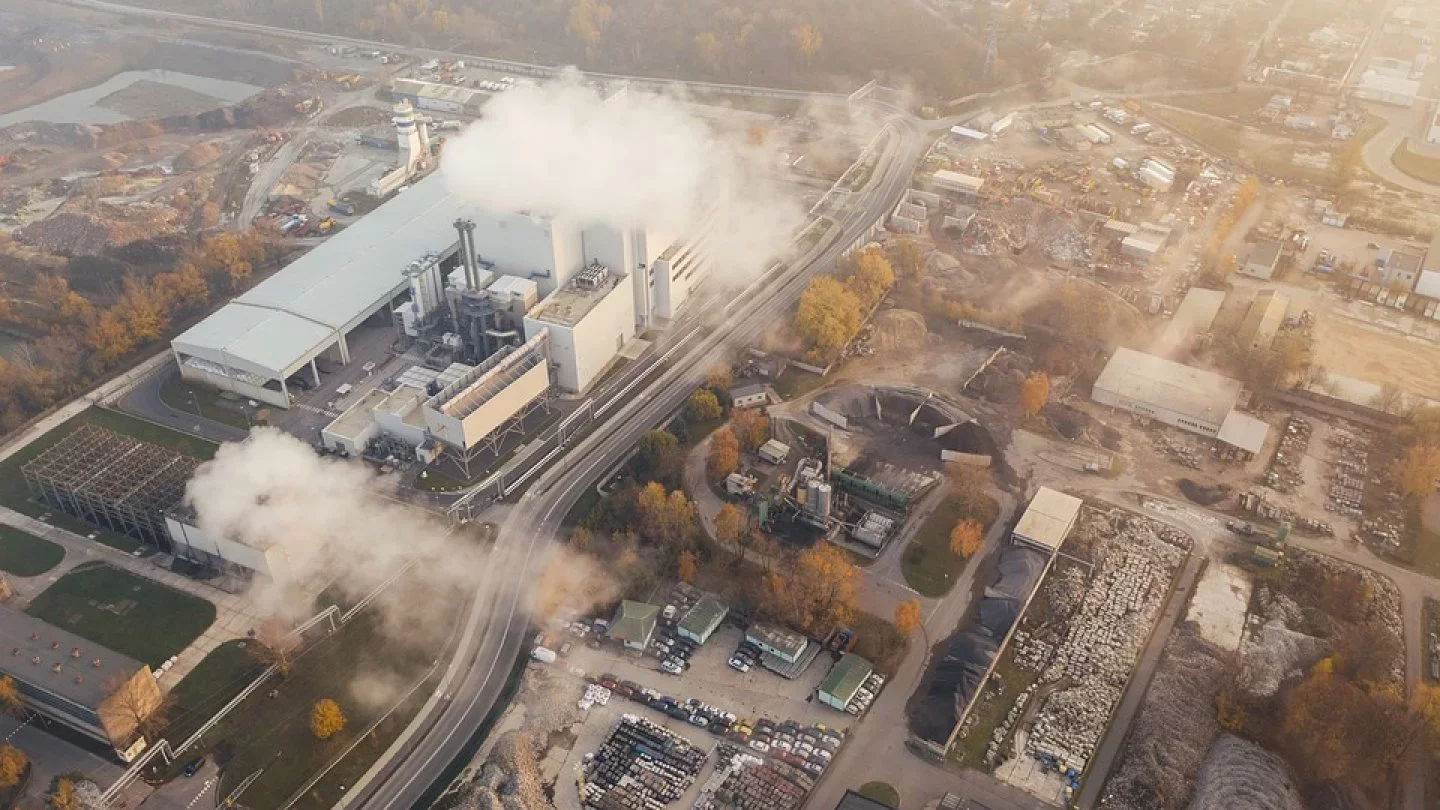 Photo: pixabay.com
The challenging year 2024 has ended, leaving its mark on almost every corner of the globe, with few areas left untouched.
One is ecology, which often gets overlooked when the economy, politics, or social issues dominate the headlines.
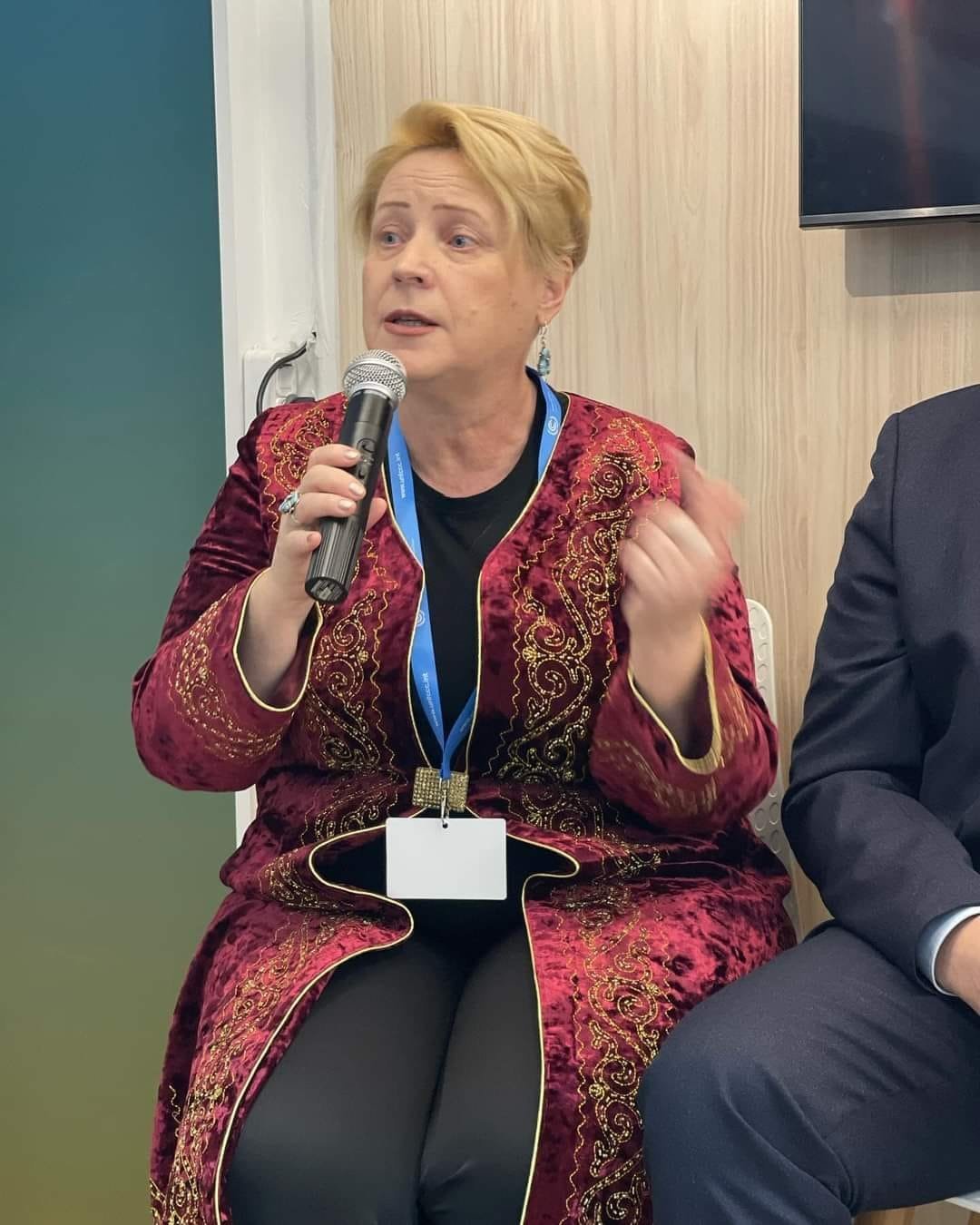
Svetlana Mogilyuk, Chair of the Ecoforum of Kazakhstan and Member of the Public Council of the Ministry of Ecology and Natural Resources shared her views on the matter with Orda.kz:
In the past year, I would like to highlight several environmental events in our country that stand out. First and foremost, it is important to mention the severe damage caused by floods. These are the consequences of the fact that authorities, especially at the local level, still underestimate the risks of climate change, which will only get worse. Kazakhstan has long needed well-thought-out plans for adaptating to climate change, but we are just starting to develop them at the national level.
The time zone change has stirred up Kazakhstan's society. People have less time in the evening to work on their garden plots.
I’ve heard a lot of complaints this year about how people can't do the things they used to in their country cottages (dachas - Ed.). They can’t work in the garden once it gets dark, and it's a shame because country cottages and gardens play such an important role in greening our communities. On top of that, the earlier darkness means people are using more lights, which boosts the carbon footprint. Since most of our energy comes from coal-fired power plants, more emissions is obviously a negative phenomenon, Svetlana said.
Mogilyuk, who has a PhD in Geographical Sciences, argues that the idea of a single time zone benefiting Kazakhstan is illogical. She points out that this contradicts basic geographical facts, as the country spans more than two time zones from east to west.
She also talked about constructing a nuclear power plant in Kazakhstan.
A referendum on the construction of a nuclear power plant. It was sad to see so much misguided campaigning against common sense when it comes to the need for nuclear energy in our country. These endless billboards with green leaves coming from cooling towers were just as absurd as the idea of a single time zone. The facts show that nuclear energy is an expensive and risky solution.
said Svetlana Mogilyuk.
The revision of the Water Code has drawn attention from environmentalists across the country as well.
While water legislation needs improvement, attempts to legalize structures that violate existing standards in water protection zones and strips are concerning.
Several other serious issues exist, particularly the lack of priority given to the basin principle of water resource management. It’s crucial to focus on saving water in our country.
"A new platform is being launched in Kazakhstan - the National Database of Data on the State of the Environment and Natural Resources," said Mogilyuk.
According to the Environmental Code, enterprises with annual gross emissions of 500 tons or more must install an automated emission monitoring system.
Currently, 60% of these businesses transmit data every 20 minutes to the centralized monitoring system.
At the same time, the data is collected and promptly analyzed. Perhaps such an oversight system will provide more effective protection against excess emissions.
Svetlana Mogilyuk hopes that all monitoring and analysis systems will soon be available to the public.
However, even now, the system for accessing information about decisions made by the Republic of Kazakhstan is well-established. Citizens should use these opportunities more actively and widely.
Original author: Danil Utyupin
Latest news
- Tokayev Criticizes Banks For Delaying QR Payments
- Kazakhstan Launches New Preferential Loans For Livestock Breeders
- Rare New Guinea Monitor Lizards Arrive At Almaty Zoo
- Malaysian Automaker Proton Eyes Kazakhstan Production With Allur
- A Russian Teen Who Crossed Into Kazakhstan on Foot Wins Appeal Against Expulsion
- Regional Revenues, Global Instability, And The Referendum: What Tokayev Told Deputies
- Digitalization Of Customs Or New Barriers? What Entrepreneurs Fear In Kazakhstan’s New KEDEN System
- Astana Could Become An International Aviation Leasing Hub
- Kazakhstan’s First Tagged Eurasian Black Vulture Found Dead in India
- Kazakhstan Replaces Russian Turbines With Chinese Equipment for Ekibastuz Power Plant No. 2
- How Kazakhstan, Uzbekistan, And Azerbaijan Will Export Electricity To Europe
- Kazakhstan Explains How Russians Who Fled Mobilization Can Be Deported
- Kazakhstan and Japan discuss hydrogen partnership with export potential
- Russia Thanks Tokayev for Initiative to Support Russian Language
- Almaty Could Restrict Cars Under Beijing-Style Anti-Smog Plan
- Tigers in Kazakhstan Are in No Rush to Breed
- What Changes Are Being Prepared Under the New Tax Code
- Alcohol and Tobacco Prices in Kazakhstan See Sharpest Monthly Rise in 15 Years — Analysts
- Middle East Conflict Will Not Lead to Higher Gasoline Prices in Kazakhstan — Minister
- Five Regions of Kazakhstan Face Higher Flood Risk This Spring
