

Caspian Sea: Ecologist Highlights Tehran Convention Limitations
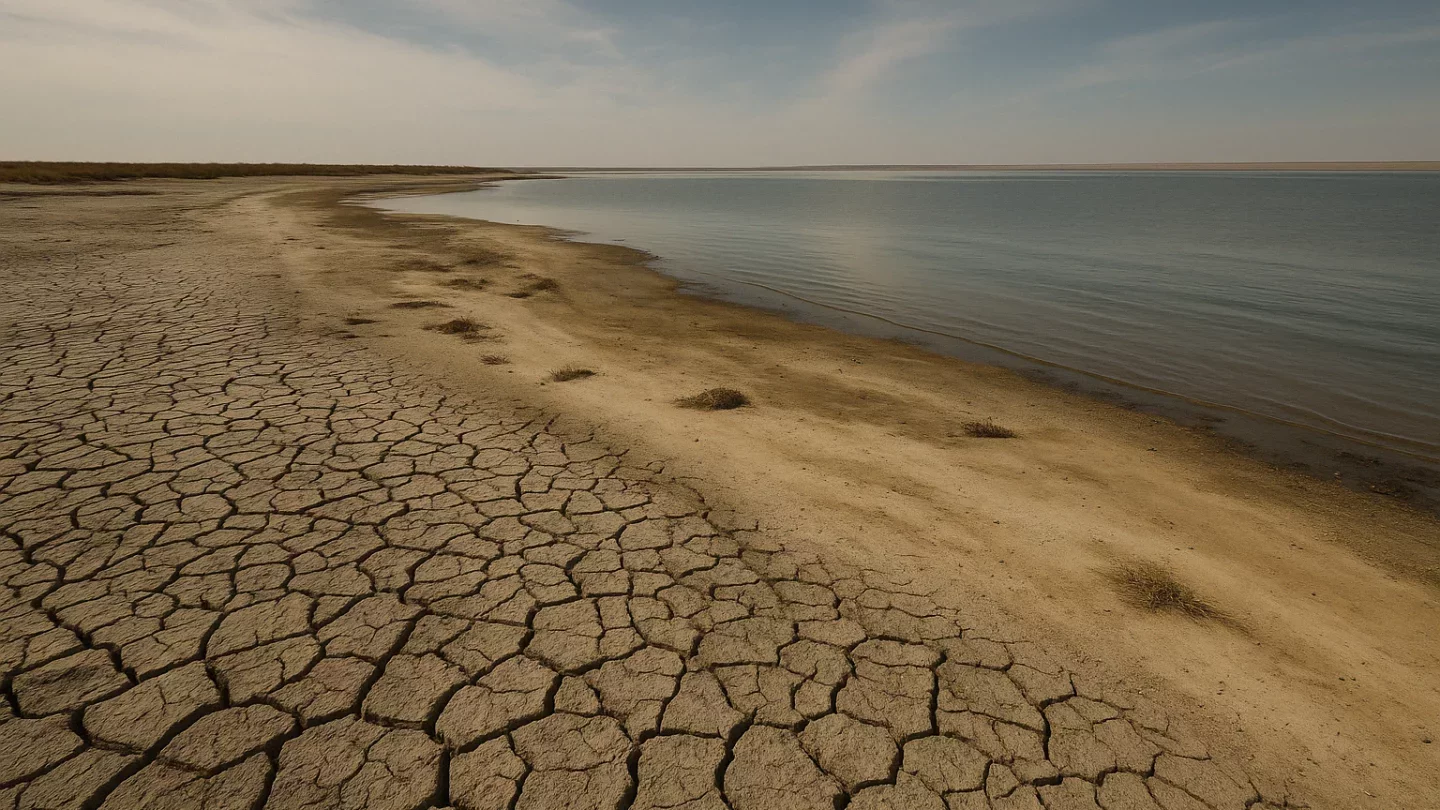 Photo: Midjorney Generated, ill. purposes
At a Majilis session, ecologist and director of the public foundation "Social and Ecological Foundation," Vadim Ni, explained that nearly two decades after the Tehran Convention for the Protection of the Caspian Sea was signed, its implementation remains limited, Orda.kz reports.
A permanent secretariat has still not been established — a point Ni emphasizes is essential for any international environmental convention to function effectively.
According to Ni, the authorities have taken no substantial action to preserve the Caspian Sea’s water level over the past 20 years.
This is what is decided first in any convention - so that there is a secretary. So that it is clear who works on it on a permanent basis, noted Ni.
He said that even the basic contents of the Tehran Convention protocols are known to only a small group of experts, and that the convention has never served as a real platform for international environmental dialogue.
There is no progress on measures to reduce the level of the Caspian Sea. We see that the level continues to fall, and this requires urgent discussion on a multilateral platform,
he emphasized.
Ni also mentioned his lawsuit against the Ministry of Energy over its refusal to disclose environmental information related to Kazakhstan’s most significant oil and gas projects in the Caspian—Karachaganak, Kashagan, and Tengiz.
He argues that the public has a right to understand the environmental impact of these contracts.
The day after one of the operators made a statement about the 'fairness of the terms of the agreement', I filed a lawsuit. We will not stop and are ready to use international mechanisms,
he stated.
He further stressed the need to revise Kazakhstan’s climate policy regarding the Caspian Sea:
We forget that our territory is home to the largest closed body of water in the world, which loses water every year. This is also a consequence of climate change,
added the ecologist.
With Kazakhstan pursuing new “green hydrogen” projects alongside the expansion of oil production, Ni warned the country could end up bearing an unsustainable burden in its climate transition.
He proposed several steps:
- Strengthening environmental regulations for emissions and discharges into the Caspian Sea
- Clearly defining protected areas
- Creating an independent environmental monitoring system
- Ensuring transparency in agreements and involving local communities
We are ready to help in developing legislation and in forming a fair approach. Because without this, the Tehran Convention will remain a document without real action,
he concluded.
Original Author: Ilya Astakhov
Latest news
- Tokayev Criticizes Banks For Delaying QR Payments
- Kazakhstan Launches New Preferential Loans For Livestock Breeders
- Rare New Guinea Monitor Lizards Arrive At Almaty Zoo
- Malaysian Automaker Proton Eyes Kazakhstan Production With Allur
- A Russian Teen Who Crossed Into Kazakhstan on Foot Wins Appeal Against Expulsion
- Regional Revenues, Global Instability, And The Referendum: What Tokayev Told Deputies
- Digitalization Of Customs Or New Barriers? What Entrepreneurs Fear In Kazakhstan’s New KEDEN System
- Astana Could Become An International Aviation Leasing Hub
- Kazakhstan’s First Tagged Eurasian Black Vulture Found Dead in India
- Kazakhstan Replaces Russian Turbines With Chinese Equipment for Ekibastuz Power Plant No. 2
- How Kazakhstan, Uzbekistan, And Azerbaijan Will Export Electricity To Europe
- Kazakhstan Explains How Russians Who Fled Mobilization Can Be Deported
- Kazakhstan and Japan discuss hydrogen partnership with export potential
- Russia Thanks Tokayev for Initiative to Support Russian Language
- Almaty Could Restrict Cars Under Beijing-Style Anti-Smog Plan
- Tigers in Kazakhstan Are in No Rush to Breed
- What Changes Are Being Prepared Under the New Tax Code
- Alcohol and Tobacco Prices in Kazakhstan See Sharpest Monthly Rise in 15 Years — Analysts
- Middle East Conflict Will Not Lead to Higher Gasoline Prices in Kazakhstan — Minister
- Five Regions of Kazakhstan Face Higher Flood Risk This Spring
