

Kazakhstan’s Lithium Draws Foreign Interest
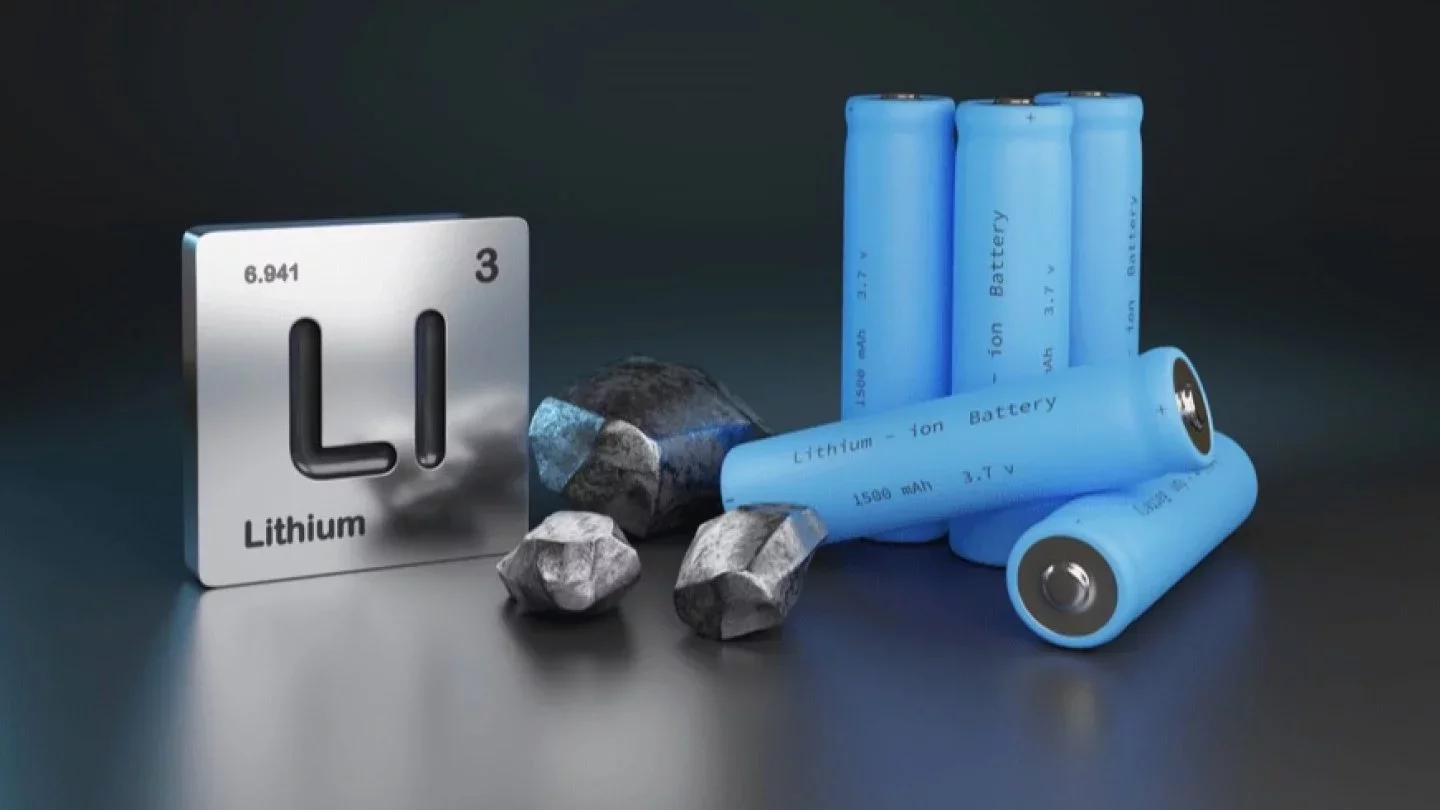 Photo: freepik, illustrative purposes
In March 2024, Kazakhstan learned that $15.7 billion worth of lithium had been discovered in the East Kazakhstan region.
Orda.kz has looked into what has come of this discovery so far.
The Future Metal
Lithium is seen as a “metal of the future,” in high demand for batteries, chemicals, metallurgy, and medicine. The announcement that a South Korean investor planned to begin mining in East Kazakhstan generated excitement, with speculation that Russian companies might also compete for access.
In March 2024, then-Minister of Industry and Construction Kanat Sharlapayev confirmed that Korean specialists would receive priority rights for extraction in Kazakhstan.
I am very pleased that KIGAM has found large lithium deposits in Kazakhstan that can potentially be industrially developed. This is a great help for us, which will allow us to become part of the new energy transition,
Sharlapayev said at the time.
East Kazakhstan Region officials later announced plans to start work at the site in 2025, but no updates on actual mining have followed.
Orda.kz contacted the National Geological Service of Kazakhstan to determine the project's status. Officials confirmed that cooperation with KIGAM began in 2023, and geological exploration is ongoing, but mining has yet to begin.
KIGAM noted the prospects of one of the territories in terms of lithium potential and expressed interest in continuing the research. Now the institute is showing interest in the geological study of the Aral region in partnership with JSC NK Tau-Ken Samruk,
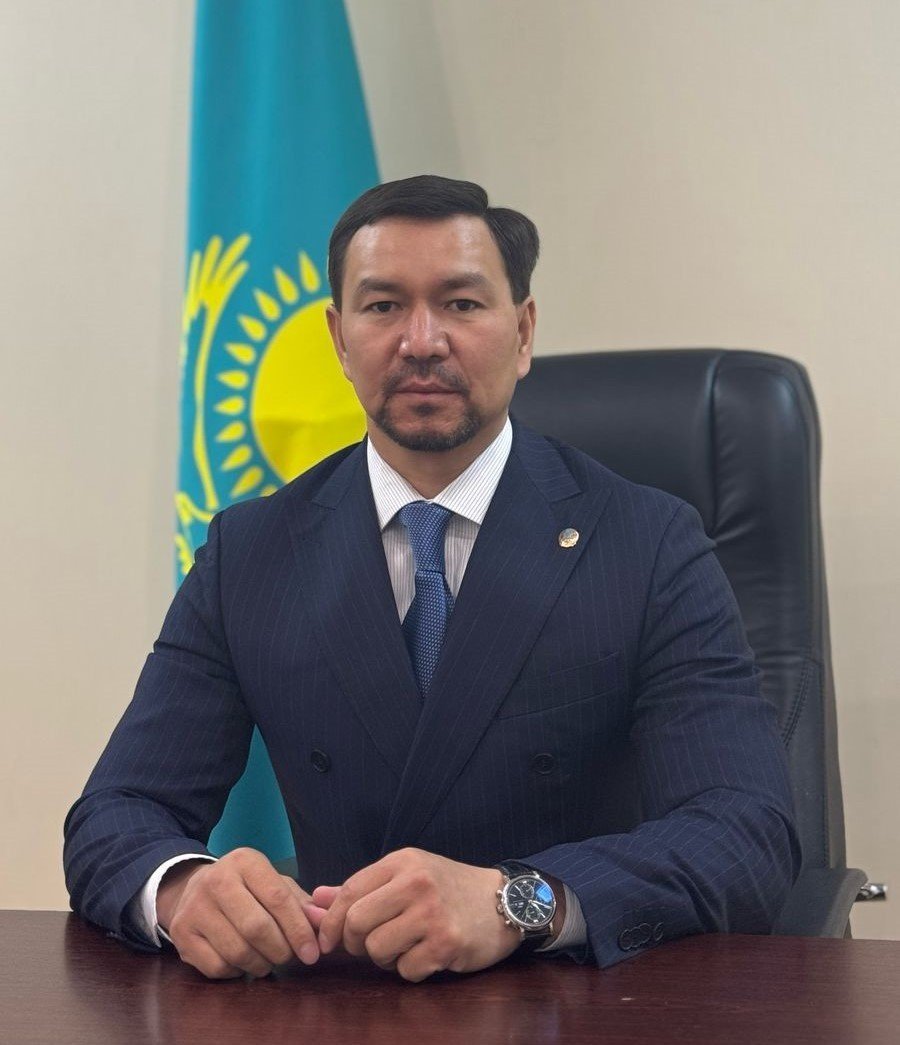
said Kadyr Shabanbayev, Deputy Chair of the Board of JSC National Geological Service.
Growing Interest
Kazakhstan’s explored lithium reserves total 75.6 thousand tons, with six natural deposits and one man-made deposit — the Maralushen tailing storage — located in East Kazakhstan.
South Korea is not alone in its interest. In late 2024, the U.S. Geological Survey reached a preliminary agreement on lithium exploration in the Aral Sea region. In March 2025, Canadian firm Condor Energies announced it would develop the Kolkuduk deposit, where lithium exists in salt solution form.
In April 2025, regional authorities revealed that two lithium mining and processing plants would be built in the Ulan district, financed by the German company HMS Bergbau AG with a $500 million investment.
Several other companies have also shown interest.
There are seven lithium deposits located in the East Kazakhstan region registered on the state balance sheet. Exploration and development of the subsoil is carried out with the participation of international partners, including: HMS Bergbau AG, KIGAM, LG Energy Solution, SK Ecoplant, Umicore. Currently, a joint project is being implemented with the German company HMS Bergbau AG to develop lithium deposits. If the industrial potential is confirmed, the volume of investment in the project will be about 500 million dollars,
says Kadyr Shabanbayev.
As competition increases, the question remains whether Kazakhstan will gain more than raw exports by adopting foreign know-how and building joint ventures that empower local specialists to eventually manage extraction themselves.
Domestic Players
The Ministry of Industry and Construction reported that several Kazakhstan-registered companies have received licenses for lithium exploration, including:
- Alatau Lithium LLP
- JSC "GRK Ognevsky GOK"
- Dala Resources LLP
- LLP Creda Corporation (licensed to mine at the Akhmetkino site)
In the lithium industry of Kazakhstan, two projects are being implemented to build mining and processing plants in the East Kazakhstan region. The Yubileynoye deposit is currently available and will be put up for auction in accordance with the requirements of the current legislation. The Korean Institute of Geosciences (KIGAM) and the private American company COVE Capital are showing interest in the sites. Financing is expected to be from the subsoil users' own funds,
the Ministry reported.
Original Author: Nikita Drobny
Latest news
- Why Are Kazakhstanis Leaving Southern Regions In Large Numbers?
- Tokayev Criticizes Banks For Delaying QR Payments
- Kazakhstan Launches New Preferential Loans For Livestock Breeders
- Rare New Guinea Monitor Lizards Arrive At Almaty Zoo
- Malaysian Automaker Proton Eyes Kazakhstan Production With Allur
- A Russian Teen Who Crossed Into Kazakhstan on Foot Wins Appeal Against Expulsion
- Regional Revenues, Global Instability, And The Referendum: What Tokayev Told Deputies
- Digitalization Of Customs Or New Barriers? What Entrepreneurs Fear In Kazakhstan’s New KEDEN System
- Astana Could Become An International Aviation Leasing Hub
- Kazakhstan’s First Tagged Eurasian Black Vulture Found Dead in India
- Kazakhstan Replaces Russian Turbines With Chinese Equipment for Ekibastuz Power Plant No. 2
- How Kazakhstan, Uzbekistan, And Azerbaijan Will Export Electricity To Europe
- Kazakhstan Explains How Russians Who Fled Mobilization Can Be Deported
- Kazakhstan and Japan discuss hydrogen partnership with export potential
- Russia Thanks Tokayev for Initiative to Support Russian Language
- Almaty Could Restrict Cars Under Beijing-Style Anti-Smog Plan
- Tigers in Kazakhstan Are in No Rush to Breed
- What Changes Are Being Prepared Under the New Tax Code
- Alcohol and Tobacco Prices in Kazakhstan See Sharpest Monthly Rise in 15 Years — Analysts
- Middle East Conflict Will Not Lead to Higher Gasoline Prices in Kazakhstan — Minister
